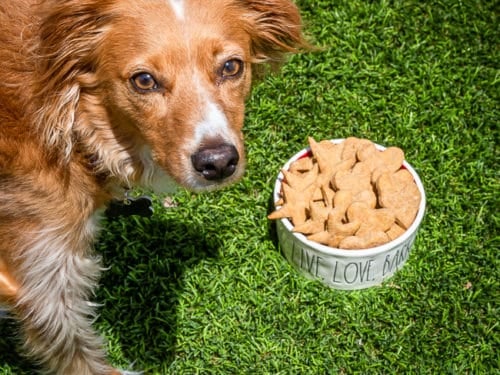
Beef liver is a nutrient-dense animal ingredient valued in pet food manufacturing for its distinctive flavor, concentrated nutrients, and versatility. As demand for premium pet treats and minimally processed ingredient options grows, freeze-dried beef liver has become a popular choice among pet owners, retailers, and pet food manufacturers. Its lightweight texture and concentrated aroma make it suitable for several product formats, including training rewards, snack pieces, and meal toppers.
Understanding the nutritional characteristics, processing requirements, and commercial applications of Freeze Dried Beef Liver can help buyers evaluate product quality and make informed sourcing decisions. Although beef liver provides several important nutrients, it is also rich in certain vitamins and minerals, so appropriate portion control and responsible formulation are essential.
What Is Freeze-Dried Beef Liver?
Freeze-dried beef liver is produced by removing most of the moisture from fresh or appropriately prepared beef liver through a specialized drying process. The ingredient is first frozen and then placed under reduced pressure, allowing ice to change directly into water vapor through sublimation.
Unlike conventional high-temperature drying, freeze-drying uses carefully controlled conditions to help preserve the ingredient’s structure, flavor, and certain nutrients. The finished product is generally lightweight, porous, and easy to break into smaller pieces.
Depending on the manufacturer’s specifications, freeze-dried beef liver may be supplied as:
- Whole liver pieces.
- Small bite-sized cubes.
- Thin slices.
- Crumbles and flakes.
- Liver powder.
- Custom-sized ingredients for pet food production.
Each format serves different purposes. Whole pieces and cubes are commonly used for treats, while powders and smaller particles may be incorporated into coatings, meal toppers, and formulated pet food products.
Nutritional Benefits of Beef Liver for Pets
Beef liver contains a range of nutrients that contribute to its value as a pet food ingredient. Its nutritional composition differs from ordinary muscle meat, making it useful in carefully formulated recipes.
1. High-Quality Animal Protein
Beef liver provides animal-based protein and amino acids that support normal body functions, including tissue maintenance and repair.
Protein is an essential component of canine and feline diets. However, the amount of protein in a treat does not determine whether the product is nutritionally complete. Complete pet foods must provide the appropriate balance of all required nutrients.
2. Rich Source of Vitamin A
One of the most notable nutritional characteristics of beef liver is its naturally high concentration of preformed vitamin A.
Vitamin A supports several important functions, including:
- Normal vision.
- Immune system function.
- Skin and tissue maintenance.
- Growth and cellular development.
Although vitamin A is essential, excessive intake can be harmful. Beef liver should therefore be used in controlled quantities, especially when a pet already receives a complete diet containing sufficient vitamin A.
3. Contains B Vitamins
Beef liver provides several B vitamins involved in energy metabolism, nervous system function, and normal cellular activity.
It is particularly known for containing vitamin B12, which supports red blood cell formation and neurological function. Other B vitamins contribute to the body’s ability to use nutrients from food.
4. Provides Iron and Copper
Beef liver contains minerals such as iron and copper.
Iron contributes to normal oxygen transport in the body, while copper supports several metabolic processes and helps maintain normal connective tissue and other biological functions.
These minerals are valuable in appropriate amounts, but a treat should not be considered a substitute for a properly balanced mineral formulation.
5. Contains Other Naturally Occurring Nutrients
Depending on the raw material and processing conditions, beef liver may also provide selenium, zinc, phosphorus, and other nutrients.
The final nutritional composition can vary between batches. Manufacturers should use appropriate ingredient specifications and testing when precise nutritional values are important.
Why Freeze-Dry Beef Liver?
Freeze-drying offers several practical advantages for manufacturers and consumers.
Moisture Reduction
Removing most of the water creates a dry product that is lighter than fresh liver. Reduced moisture can also help limit microbial growth when the finished product has suitable water activity and is stored correctly.
Concentrated Flavor and Aroma
Freeze-dried beef liver retains much of its characteristic aroma and taste. These qualities can make it appealing to dogs and cats, although individual preferences vary.
Convenient Handling
The finished ingredient is easy to portion, package, transport, and incorporate into different product formats. Its lightweight nature can be useful for retailers and businesses handling large quantities.
Versatile Product Development
Freeze-dried liver can be used as a whole treat, a crumble, or a powdered ingredient. This flexibility allows manufacturers to develop different products using the same basic raw material.
Nutrient Retention
The relatively low-temperature process can help preserve certain heat-sensitive nutrients compared with some conventional drying methods. However, nutrient retention is not guaranteed to be identical for every vitamin or mineral. It depends on the raw material, processing conditions, and storage environment.
How Freeze-Dried Beef Liver Is Manufactured
A controlled production process is essential for achieving consistent quality and suitable product stability.
1. Raw Material Selection
Production begins with beef liver obtained from appropriate suppliers. Manufacturers should establish requirements for ingredient identity, freshness, handling, and traceability.
The quality of the incoming liver influences the nutritional composition, flavor, appearance, and safety of the final product.
2. Inspection and Preparation
The liver is inspected and prepared according to the product specification. Preparation may involve trimming, cleaning, portioning, and cutting into consistent sizes.
Uniform pieces help improve processing consistency and make it easier to meet finished-product requirements.
3. Freezing
Prepared liver is frozen before drying. This creates the frozen structure required for moisture removal through sublimation.
4. Primary Drying
The frozen ingredient is placed in a vacuum chamber. Controlled heat allows frozen water to change directly into vapor, removing a substantial proportion of the moisture.
5. Secondary Drying
Additional moisture is removed to achieve the required residual moisture and water activity. These measurements help manufacturers evaluate product stability and establish appropriate packaging and storage conditions.
6. Quality Inspection
The finished liver is checked against product specifications. Depending on the intended application, quality checks may include:
- Appearance and color.
- Texture and piece dimensions.
- Moisture content.
- Water activity.
- Nutritional composition.
- Microbiological quality.
- Packaging integrity.
7. Packaging and Distribution
After inspection, the product is packed in suitable moisture-resistant materials. Packaging should protect the ingredient from humidity, oxygen exposure, physical damage, and contamination during transportation and storage.
Food Safety and Quality Standards
Freeze-dried beef liver requires careful food safety management because moisture removal does not necessarily eliminate harmful microorganisms.
Low-moisture products can still contain surviving pathogens, including Salmonella. Freeze-drying should therefore not be treated as a sterilization process.
Responsible manufacturers should establish food safety controls throughout sourcing, preparation, drying, packaging, and distribution.
Raw Material Traceability
Suppliers should maintain records identifying the origin and batch details of the beef liver. Traceability supports supplier evaluation and makes it easier to investigate quality issues.
Microbiological Testing
Appropriate testing helps assess whether finished products meet relevant microbiological specifications. Testing programs should be based on the product’s intended use, risk assessment, and applicable regulations.
Validated Pathogen Controls
Manufacturers should use appropriate validated pathogen-reduction measures where required. Hygienic processing, environmental monitoring, and controls against post-process contamination are also important.
Nutritional and Physical Specifications
Buyers should request documented information about moisture, water activity, protein, fat, and other relevant nutritional characteristics.
Consistent specifications help manufacturers maintain predictable product quality across different production batches.
Packaging and Storage
Packaging should provide suitable protection against moisture and environmental exposure. Buyers should check that the material, seal quality, and storage instructions are appropriate for the product’s expected shelf life.
Uses of Freeze-Dried Beef Liver in Premium Pet Food Products
The concentrated flavor and nutrient profile of beef liver make it useful in several pet food applications.
1. Single-Ingredient Dog Treats
Whole pieces and cubes are commonly used as standalone dog treats. Their strong aroma makes them appealing to many dogs, while their dry texture supports convenient storage and portioning.
Because liver contains concentrated vitamin A, these treats should be offered in moderation.
2. Cat Treats
Beef liver can also be used in cat treats. Its animal-based flavor may appeal to cats that prefer meat-oriented snacks.
However, cats have specific nutritional requirements, and liver treats should not replace a complete and balanced feline diet.
3. Training Rewards
Small liver pieces or crumbles can be used as occasional rewards during training. Breaking larger pieces into smaller portions can help control calories and make a package last longer.
4. Meal Toppers
Manufacturers may produce liver crumbles or powders for use as meal toppers. These products can add flavor and variety to regular pet food.
Meal toppers should be used in appropriate quantities and should not compromise the nutritional balance of the main diet.
5. Ingredient in Multi-Component Formulas
Beef liver may be included in complete pet food recipes alongside muscle meat, other organ ingredients, fats, vitamins, and minerals.
The formulation must account for the liver’s concentrated nutrient content. Simply adding organ meat to a recipe does not guarantee that the finished food is complete and balanced.
How to Choose High-Quality Freeze-Dried Beef Liver
Whether purchasing for household use or commercial manufacturing, buyers should evaluate several important quality factors.
Check Ingredient Identity
Look for clear product descriptions that identify beef liver as the ingredient. Avoid relying on vague descriptions that do not specify the animal source or ingredient type.
Review Nutritional Information
Check protein, fat, moisture, and calorie information where available. Since liver is nutrient-dense, buyers should also consider its vitamin A and mineral content when assessing feeding quantities or formulating products.
Evaluate Processing Standards
Ask manufacturers how raw materials are handled, how moisture targets are established, and what food safety measures are used.
Reliable suppliers should be able to explain their quality assurance procedures and provide relevant documentation.
Examine Physical Characteristics
Product samples can help buyers assess color, aroma, texture, piece size, and packaging quality.
Natural variation may occur, but products should meet agreed specifications. Unusual odors, visible contamination, or damaged packaging should be treated as warning signs.
Verify Supplier Documentation
Commercial buyers may request:
- Product specification sheets.
- Certificates of analysis.
- Ingredient and origin declarations.
- Batch traceability information.
- Microbiological testing records.
- Shelf-life and storage details.
- Relevant manufacturing and food safety documentation.
Documentation should be reviewed for relevance and validity rather than accepted based only on supplier claims.
Feeding Guidelines and Precautions
Beef liver can be a useful occasional treat, but its concentrated nutrient content makes portion control especially important.
Feed in Moderation
Treats and other extras should generally provide no more than 10% of a pet’s daily calorie intake. The remaining calories should come from a complete and balanced diet.
Because beef liver contains substantial vitamin A, owners should avoid feeding large amounts regularly. Excessive intake of preformed vitamin A over time can contribute to toxicity.
Introduce Small Portions
When offering beef liver for the first time, begin with a small quantity. Observe the pet for digestive upset or signs of an adverse reaction.
Consider Individual Dietary Needs
Pets with medical conditions or prescribed dietary restrictions may need to avoid certain treats. Consult a veterinarian before introducing beef liver to pets with specific nutritional requirements.
Follow Storage Instructions
Keep freeze-dried liver in its original packaging or an appropriate sealed container according to the manufacturer’s directions. Protect it from humidity and contamination.
If the product is rehydrated, handle it as a perishable animal-based food. Serve it promptly and discard uneaten portions according to the manufacturer’s instructions.
Wholesale and Commercial Sourcing Considerations
For pet food manufacturers, distributors, and retailers, purchasing freeze-dried beef liver in bulk requires a structured supplier evaluation process.
Consistent Raw Material Supply
A dependable supplier should have access to suitable raw materials and be able to explain its sourcing arrangements. Consistency in ingredient identity and quality is important for maintaining finished-product specifications.
Production Capacity
Buyers should confirm that the manufacturer can meet their expected order volumes and delivery schedules. Ask about production lead times, minimum order quantities, and arrangements for repeat purchases.
Custom Product Formats
Different applications may require different sizes and textures. A manufacturer may offer whole pieces, cubes, flakes, or powders depending on its equipment and production capabilities.
Clear written specifications help prevent misunderstandings when ordering customized products.
Bulk Packaging Options
Packaging requirements vary according to storage conditions, transportation arrangements, and intended use. Commercial buyers should evaluate barrier properties, sealing quality, package sizes, and labeling information.
Pricing and Total Purchasing Costs
The cost of freeze-dried beef liver depends on raw material prices, processing requirements, order quantity, packaging, testing, and transportation.
Businesses should compare the total landed cost rather than choosing a supplier based only on the quoted price per kilogram.
Frequently Asked Questions
Is freeze-dried beef liver good for dogs?
It can be an appealing occasional treat that provides animal protein and several naturally occurring nutrients. However, its high vitamin A content means it should be fed in moderation.
Can cats eat freeze-dried beef liver?
Cats can eat appropriately prepared beef liver treats in small quantities if the product is suitable for feline consumption. It should remain a supplemental snack rather than replace complete cat food.
Does freeze-drying preserve all the nutrients in beef liver?
No. Freeze-drying can help retain certain nutrients, but the amount preserved varies by nutrient, raw material quality, processing conditions, and storage.
Is freeze-dried beef liver safe because it contains little moisture?
Not automatically. Low moisture can limit microbial growth, but some pathogens may survive. Appropriate manufacturing controls, testing, and safe handling are still necessary.
How often should pets receive beef liver treats?
There is no universal serving schedule for every pet. The amount should account for the animal’s size, daily calorie intake, existing diet, and overall vitamin A consumption. Veterinary guidance can help determine an appropriate amount.
Can beef liver powder be used in pet food manufacturing?
Yes. It may be incorporated into selected formulas or used as a flavoring ingredient, provided the product meets relevant safety and nutritional requirements. Manufacturers must account for its concentrated nutrient content when designing the complete formula.
Conclusion
Freeze-dried beef liver is a versatile animal-based ingredient valued for its concentrated flavor, protein, vitamins, and minerals. Its applications range from standalone dog and cat treats to training rewards, meal toppers, and formulated pet food products.
Its nutritional density is also an important consideration. Beef liver contains substantial vitamin A, so responsible feeding and accurate formulation are essential to avoid excessive intake. Manufacturers must also recognize that freeze-drying reduces moisture but does not necessarily eliminate harmful microorganisms.
For pet owners, selecting a suitable product means reviewing ingredients, feeding guidance, storage instructions, and manufacturer quality controls. For wholesale buyers and pet food businesses, reliable sourcing, documented specifications, microbiological safety measures, and consistent production standards are key to maintaining product quality.
By balancing nutritional value with careful processing and responsible use, freeze-dried beef liver can remain a useful ingredient in premium pet food development.