
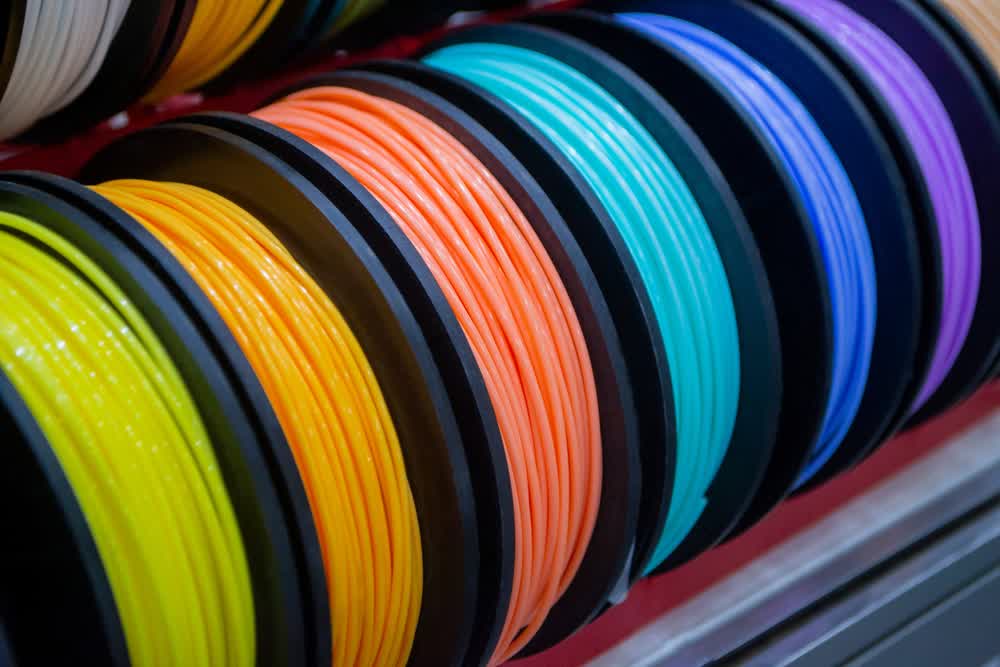
PETG-Basic is a widely used 3D printing material designed to offer a practical balance between affordability, durability, and ease of printing. It sits between beginner-friendly PLA and more advanced engineering filaments, making it suitable for both hobbyists and professionals who need reliable results without high material complexity.
In many workflows, PETG-based materials such as PETG-basic are chosen because they deliver consistent mechanical performance while remaining cost-effective compared to high-end composites or specialty filaments.
Cost: Affordable Performance for Everyday Printing
One of the main reasons PETG-Basic is popular is its reasonable price compared to other engineering-grade materials. While it is typically slightly more expensive than PLA, it offers significantly better durability and environmental resistance.
Key Cost Considerations
- PETG is generally priced in a mid-range category among filaments
- More affordable than specialty materials like nylon or carbon fiber blends
- Offers better long-term value for functional parts due to durability
Industry comparisons show PETG is often around 30–50% more expensive than PLA, but the performance gain justifies the cost for functional use cases.
For users who print frequently, PETG-Basic provides a strong balance between budget and performance.
Performance: Balanced Mechanical Properties
PETG-Basic is designed to combine strength, flexibility, and stability, making it suitable for a wide range of applications.
Strength and Durability
- Higher impact resistance than PLA
- Less brittle under stress
- Suitable for functional and mechanical parts
This makes it ideal for parts that need to withstand daily wear and moderate force.
Printability
PETG-Basic is known for being relatively easy to print:
- Low warping during printing
- Good layer adhesion for stronger parts
- Compatible with most standard FDM printers
This reduces failed prints and improves efficiency in both personal and professional environments.
Environmental Resistance
PETG-Basic performs well in real-world conditions:
- Moisture-resistant
- Suitable for outdoor use
- Stable under moderate temperature exposure
This makes it more reliable than PLA for long-term applications.
Use Cases: Where PETG-Basic Works Best
PETG-Basic is versatile and used across multiple industries and project types.
1. Functional Prototyping
It is commonly used for testing designs before final production:
- Mechanical prototypes
- Fit and assembly testing
- Product development iterations
Its strength ensures prototypes behave similarly to final parts.
2. Everyday Functional Parts
PETG-Basic is ideal for practical, real-world objects:
- Brackets and mounts
- Storage components
- Replacement parts
Its durability makes it suitable for repeated use.
3. Outdoor Applications
Due to its resistance to moisture and temperature variation, PETG-Basic works well outdoors:
- Garden tools and fixtures
- Protective covers
- Outdoor enclosures
4. Educational and Hobby Projects
Its ease of use makes it popular in schools and maker environments:
- STEM learning models
- DIY projects
- Experimental designs
Cost vs Performance Trade-Off
When choosing PETG-Basic, the key consideration is balancing cost with performance needs.
- Choose PLA if cost and ease of printing are the top priority
- Choose PETG-Basic if durability and real-world use are important
- Choose advanced composites only for specialized engineering requirements
PETG-Basic often becomes the “default upgrade” for users moving beyond beginner materials.
Limitations to Consider
While PETG-Basic is versatile, it is not perfect for every application:
- Can produce stringing if not tuned correctly
- Slightly softer surface than ABS
- Not ideal for very high-temperature environments
- Requires proper storage to avoid moisture absorption
Understanding these limitations helps improve print quality and material selection.
Conclusion
PETG-Basic offers a strong balance of cost efficiency, reliable performance, and broad usability. It is a practical choice for users who need more strength and durability than PLA without moving into expensive or complex engineering materials.
For prototyping, functional parts, and everyday applications, PETG-Basic remains one of the most dependable filament options in modern 3D printing workflows.