Creating a high-quality figurative oil painting requires a combination of artistic skill, careful observation, and appropriate materials. Artists must understand human anatomy, color relationships, light, and composition while choosing supplies that support their creative process. From selecting suitable canvases to applying delicate layers of paint, every decision contributes to the appearance, durability, and expressive quality of the finished artwork.
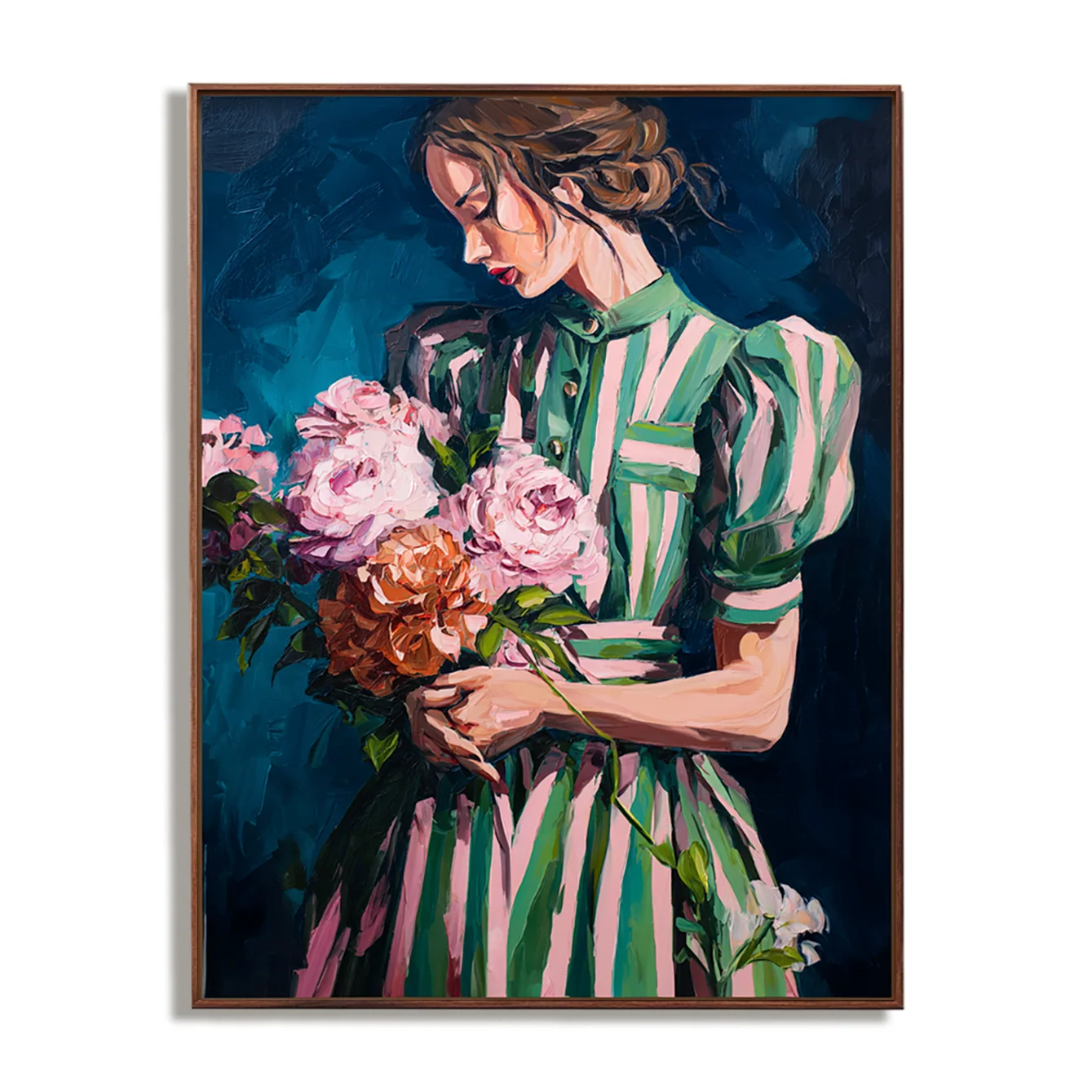
The beauty of Figurative Oil Painting comes from its ability to represent the human form through rich colors, realistic details, and individual artistic interpretation. Oil paints offer excellent blending properties and allow painters to develop depth through multiple applications. With the right materials and techniques, artists can create compelling portraits, expressive figures, and detailed compositions that capture both physical appearance and emotion.
Choosing the Right Canvas and Painting Surface
The painting surface provides the foundation for every successful oil painting. Stretched canvas is a popular choice because it offers a flexible yet stable surface for applying paint. Cotton canvas is generally affordable and suitable for practice, while linen canvas is often valued for its strength and refined texture.
Artists should consider the canvas weave and surface preparation before beginning a painting. A smoother surface may be preferable for detailed portraits and delicate facial features, while a more textured canvas can complement expressive brushwork.
Proper priming is equally important. Applying an appropriate ground, such as acrylic gesso or an oil-compatible primer, helps prepare the surface and prevents excessive absorption of paint. A well-prepared canvas also provides a consistent foundation for layering and blending.
Selecting High-Quality Oil Paints
Oil paints are available in a wide range of colors, pigment qualities, and formulations. Professional-grade paints generally contain a higher concentration of pigment, offering stronger color intensity and more predictable mixing results. Student-grade paints can be useful for practice, but artists may prefer professional materials for finished works.
A practical palette for figurative painting can include:
- Titanium white for highlights and lighter mixtures.
- Ultramarine blue for cool tones and shadows.
- Burnt umber for deep browns and underpainting.
- Yellow ochre for warm skin tones and natural colors.
- Cadmium red or a suitable alternative for warmer mixtures.
- Alizarin crimson or a modern equivalent for deeper reds.
Artists do not need an enormous collection of pigments to achieve convincing results. Learning how a limited palette interacts often produces more harmonious colors and improves control over skin tones.
Brushes and Essential Painting Tools
Brush selection affects how paint is applied and how much detail an artist can achieve. Different brush shapes and sizes serve different purposes throughout the painting process.
Filbert brushes are useful for blending rounded forms and creating soft transitions. Flat brushes help establish broad areas of color, while round brushes are suitable for smaller details and controlled lines. Fan brushes can soften certain textures, although they are not essential for every painting.
Palette knives are another useful tool. They can mix pigments, remove excess paint, or apply thicker layers for distinctive surface effects. A sturdy palette, appropriate containers, and lint-free cleaning materials also help maintain an organized workspace.
Understanding Color Mixing for Natural Skin Tones
Creating realistic skin tones requires more than selecting a single flesh-colored pigment. Human complexions contain subtle variations influenced by lighting, surrounding colors, and individual characteristics.
Artists often combine earth colors, reds, yellows, and blues to create a balanced range of tones. Warm mixtures may be used for illuminated areas, while cooler or more neutral combinations can describe shadows. The exact colors depend on the subject and the lighting arrangement.
It is helpful to prepare a small selection of color mixtures before applying them to the canvas. Testing these mixtures on a separate surface makes it easier to maintain consistency throughout the painting.
Establishing Accurate Anatomy and Proportions
A strong understanding of human anatomy is essential for producing convincing figurative artwork. Artists study the relationship between bones, muscles, and joints to understand how the body is structured and how it moves.
Before applying detailed color, many painters create preliminary sketches to establish the overall composition. Measuring the relative size of the head, torso, arms, and legs helps maintain balanced proportions. Gesture studies are also valuable because they capture the direction and energy of a pose.
Anatomical knowledge becomes especially important when painting complex positions. It allows artists to represent natural movement and avoid structural inconsistencies that can make a figure appear stiff or distorted.
Using Underpainting to Build a Strong Foundation
Underpainting is an initial layer used to establish the basic structure and tonal arrangement of an artwork. It often begins with a monochromatic palette, allowing artists to focus on composition, proportions, and light before introducing full color.
A burnt umber or neutral gray underpainting can help identify the main areas of illumination and shadow. This early stage also provides an opportunity to correct drawing mistakes before additional layers make adjustments more difficult.
Some artists prefer a loose, expressive underpainting, while others develop a more detailed foundation. Both approaches can work effectively depending on the intended style.
Applying Layering and Glazing Techniques
One of the main advantages of oil paint is its suitability for layered applications. Artists can build colors gradually, allowing earlier stages to contribute to the depth of the final surface.
Glazing involves applying thin, transparent layers over sufficiently dry paint. This technique can enrich colors, modify tonal relationships, and create subtle visual depth without completely covering the underlying details.
Opaque layers, often called scumbling when applied thinly over a dry surface, can introduce softer color variations and atmospheric effects. Careful control of paint thickness and drying time is important when working with multiple layers.
Artists should also understand the traditional principle of fat over lean, which generally means applying more flexible, oil-rich layers over leaner ones. Following suitable material guidance helps reduce the risk of cracking as the painting ages.
Mastering Light, Shadow, and Three-Dimensional Form
Light and shadow give the human figure a sense of volume. Artists observe how illumination affects the face, shoulders, arms, and other parts of the body, identifying highlights, midtones, and shadow areas.
Chiaroscuro is a useful approach for creating depth through strong contrasts between light and darkness. Softer tonal transitions can produce a more delicate appearance, while dramatic lighting may establish a stronger emotional atmosphere.
Rather than outlining every body part, painters can use gradual changes in value to describe its shape. This approach helps create a natural sense of dimension and integrates the figure more effectively into the composition.
Developing Expressive Brushwork and Texture
Brushwork contributes to the visual identity of a figurative painting. Some artists prefer smooth blending to create realistic skin surfaces, while others retain visible strokes to give the artwork a more expressive character.
The choice of brushwork should support the subject and overall composition. Fine strokes can refine facial features, while broader applications are useful for clothing, backgrounds, and larger body forms. Thicker paint may also be applied selectively to emphasize highlights or particular textures.
A balanced combination of detailed and loose passages often creates visual interest. It also prevents every area of the painting from competing equally for the viewer’s attention.
Maintaining a Safe and Organized Painting Workspace
A well-organized studio supports better concentration and helps protect finished artwork. Artists should keep brushes clean, close paint containers when not in use, and store materials according to manufacturer recommendations.
Oil painting solvents and certain mediums can produce harmful fumes, so adequate ventilation is important. Solvent-free alternatives may also be considered, depending on the artist’s materials and working preferences.
Used rags containing drying oils require particular care because they can heat up and potentially ignite spontaneously. They should be handled and stored safely according to relevant product and fire-safety guidance.
Conclusion
Creating high-quality figurative oil paintings involves much more than applying color to a canvas. The right painting surface, carefully selected pigments, suitable brushes, and effective preparation techniques provide the foundation for successful results. Skills such as anatomical observation, color mixing, underpainting, glazing, and controlled brushwork help artists develop convincing human forms with depth and expressive character.
By combining reliable materials with consistent practice and thoughtful technique, painters can improve both the technical quality and emotional impact of their work. Ultimately, the most compelling figurative oil paintings emerge when artistic knowledge and creative interpretation work together.