
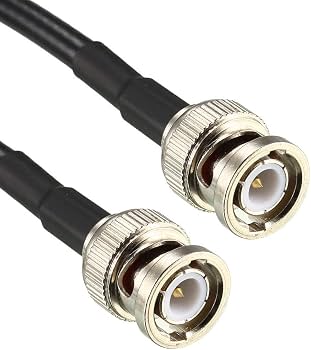
RF connectors are essential components in modern communication systems, enabling reliable signal transmission across industries such as telecommunications, aerospace, medical technology, industrial automation, and broadcasting. While many applications can be supported with standard connector designs, others require customized solutions to meet unique technical and environmental requirements. This is where experienced suppliers play a vital role by offering both standard and custom connectivity options.
A trusted rf connector supplier helps businesses identify the most suitable products for their applications while providing access to a broad range of standard connectors and tailored solutions. This flexibility enables companies to improve system performance, simplify integration, and meet project-specific requirements.
Understanding Standard RF Connectivity Solutions
Standard RF connectors are designed to meet common industry specifications and are widely used across various communication and electronic systems.
Some of the most common standard connector types include:
- SMA connectors
- BNC connectors
- N-Type connectors
- TNC connectors
- MCX connectors
- MMCX connectors
These connectors are manufactured according to established standards, making them compatible with a wide variety of devices and coaxial cables.
Benefits of Standard RF Connectors
Standard connectors remain the preferred choice for many applications because they offer several practical advantages.
Key benefits include:
- Broad compatibility
- Proven performance
- Faster availability
- Lower procurement costs
- Easier maintenance
- Simplified replacement
For many commercial and industrial projects, standard connectors provide an efficient and cost-effective solution.
When Custom RF Connectors Are Needed
Certain applications require connector designs that go beyond standard specifications. In these situations, custom connectivity solutions help address unique performance or installation challenges.
Custom connectors may be required for:
- Limited installation space
- Specialized cable configurations
- High-frequency applications
- Extreme operating environments
- Unique mechanical requirements
- Proprietary equipment designs
Customized solutions allow engineers to optimize system performance without compromising reliability.
How Suppliers Support Custom Solutions
Reliable RF connector suppliers work closely with manufacturers and customers to develop products that meet specific application requirements.
Custom support may include:
- Connector design recommendations
- Material selection guidance
- Custom cable assemblies
- Prototype development
- Specialized connector configurations
- Engineering consultation
This collaborative approach helps ensure that custom products perform as expected in real-world applications.
Technical Expertise Throughout the Selection Process
Choosing the right RF connector involves evaluating several technical factors, including frequency, impedance, environmental conditions, and cable compatibility.
Experienced suppliers assist customers by providing guidance on:
- Connector selection
- Impedance matching
- Frequency performance
- Cable compatibility
- Mechanical requirements
- Installation considerations
Technical expertise helps reduce selection errors and improves overall system performance.
Supporting Multiple Industries
RF connector suppliers serve a wide range of industries, each with unique connectivity requirements.
Common sectors include:
- Telecommunications
- Aerospace and defense
- Medical equipment
- Industrial automation
- Broadcasting
- Transportation
- Scientific research
- Internet of Things (IoT)
By offering both standard and custom products, suppliers can address the diverse needs of these industries.
Maintaining Product Quality
Reliable suppliers prioritize quality regardless of whether the product is standard or custom.
Quality assurance often includes:
- Supplier qualification
- Product inspections
- Technical documentation
- Performance verification
- Compliance with industry standards
These processes help ensure that connectors consistently meet customer expectations.
Inventory and Supply Chain Support
For standard products, suppliers typically maintain inventory to enable fast delivery and reduce lead times.
Inventory support may include:
- Stocked connector lines
- Inventory forecasting
- Order management
- Scheduled deliveries
- Long-term supply agreements
Efficient inventory management helps customers maintain production schedules and avoid unnecessary delays.
Advantages of Working with a Reliable Supplier
Partnering with a dependable RF connector supplier offers several long-term benefits.
These include:
- Access to both standard and custom solutions
- Technical product support
- Reliable product availability
- Consistent quality
- Flexible sourcing options
- Responsive customer service
A strong supplier relationship can simplify procurement while supporting future business growth.
Factors to Consider When Choosing a Supplier
When evaluating RF connector suppliers, consider the following:
- Industry experience
- Product range
- Customization capabilities
- Technical expertise
- Quality certifications
- Inventory availability
- Customer support
- Delivery performance
Reviewing these factors helps identify suppliers capable of supporting both current and future connectivity needs.
Conclusion
RF connector suppliers play an important role in supporting both standard and custom connectivity solutions across a wide range of industries. By offering extensive product selections, engineering expertise, customization services, and reliable inventory management, they help businesses meet diverse technical requirements while maintaining consistent product quality. Choosing a supplier with the capability to support standard components as well as specialized solutions allows organizations to improve system performance, simplify procurement, and build a stronger foundation for long-term project success.