Ride-on dinosaur attractions have become an exciting addition to theme parks, family entertainment centers, shopping malls, museums, and other visitor destinations. By combining recognizable prehistoric creatures with mechanical movement and interactive features, these rides offer an entertaining experience for children and dinosaur enthusiasts. They can also serve as distinctive visual attractions that encourage visitors to explore a themed environment.
However, choosing the right Ride On Dinosaur requires more than selecting an appealing dinosaur design. Buyers need to consider the ride format, target audience, available space, safety requirements, construction quality, and long-term operating costs. A carefully selected model can provide an enjoyable visitor experience while meeting the practical needs of the venue.
1. Identify the Purpose of the Attraction
Before comparing models, determine what role the dinosaur ride will play in the venue. Different locations have different visitor expectations and operating requirements.
For example, a shopping mall may need a compact, coin-operated ride that provides a short experience for children. A theme park may prefer a larger dinosaur attraction with realistic movements and a dedicated prehistoric setting.
Consider the following applications:
- Theme parks: Larger themed rides that contribute to an immersive prehistoric adventure.
- Family entertainment centers: Compact attractions that complement arcade games and indoor play areas.
- Shopping malls: Space-efficient rides that provide convenient entertainment for visiting families.
- Museums and science centers: Educational attractions that introduce visitors to dinosaur species and prehistoric environments.
- Festivals and exhibitions: Portable or modular attractions suitable for temporary installations.
Defining the purpose first makes it easier to identify the features that matter most.
2. Choose a Suitable Dinosaur Species
The dinosaur figure is one of the main reasons visitors notice a ride. Its appearance should match the venue’s theme and appeal to the intended audience.
Tyrannosaurus Rex
<text> </text>
The Tyrannosaurus rex is one of the most recognizable prehistoric creatures. Its large head, powerful jaws, and distinctive appearance make it a dramatic choice for themed attractions.
A T. rex ride may include an opening mouth, moving head, and dinosaur sound effects to create a more engaging experience.
Triceratops
Triceratops is known for its three horns and broad neck frill. Its distinctive appearance makes it suitable for family-friendly environments and educational attractions.
Designers can create friendly-looking models that appeal to younger visitors.
Stegosaurus
The Stegosaurus stands out because of the plates along its back and spikes on its tail. Its unusual shape provides an interesting visual design for dinosaur-themed ride areas.
Brachiosaurus
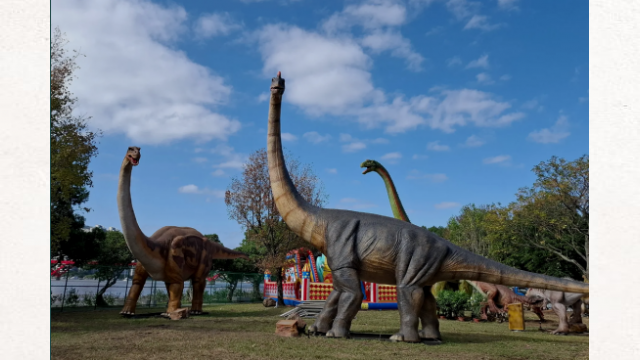
Brachiosaurus has a long neck and large body, making it a striking option for venues with enough space for a larger installation.
Velociraptor
Velociraptor-inspired designs can suit adventure-themed environments. Their agile appearance and recognizable features may appeal to visitors who enjoy more dramatic dinosaur attractions.
When choosing a species, consider its proportions, size, rider position, and overall suitability for the ride mechanism.
3. Compare Different Ride Formats
Ride-on dinosaur attractions are available in several formats. Each has different space, operating, and visitor-experience requirements.
| Ride type | Main features | Suitable venues |
|---|---|---|
| Coin-operated ride | Compact design and short riding cycles | Shopping malls and indoor play areas |
| Stationary ride | Fixed installation with controlled movement | Family entertainment centers |
| Track-based ride | Vehicles follow a predetermined route | Theme parks and larger attractions |
| Interactive ride | Combines movement with visitor-triggered effects | Museums and themed exhibitions |
| Mobile or temporary ride | Designed for selected event installations | Festivals and promotional events |
A coin-operated ride may be practical for a venue with limited space, while a track-based attraction can provide a longer experience for visitors. The best format depends on the available area, expected visitor volume, and desired level of interaction.
4. Evaluate Realistic Design and Animatronic Features
A convincing dinosaur ride should combine attractive sculpting with suitable mechanical functions. Realistic details help create a strong visual impression, while movement makes the experience more dynamic.
Detailed Appearance
Look for features such as:
- Accurate dinosaur body proportions
- Textured skin and natural-looking colors
- Clearly defined eyes, teeth, and claws
- Carefully shaped heads, tails, and limbs
- Durable surface finishes
The level of detail should suit the intended viewing distance. Large outdoor attractions need visible features that stand out from a distance, while indoor models may benefit from finer details.
Mechanical Movement
Depending on the design, a ride may feature rocking, bouncing, rotation, or movement along a track. Some dinosaur figures also include moving heads, mouths, tails, or other body parts.
Ask the manufacturer which functions are included and whether movement sequences can be adjusted.
Sound and Lighting Effects
Dinosaur roars, background sounds, and themed lighting can strengthen the atmosphere. However, effects should be appropriate for the venue and should not interfere with rider comfort or staff communication.
5. Consider Rider Age, Comfort, and Capacity
The intended audience should influence the ride’s size, seating arrangement, and movement characteristics.
A ride designed primarily for young children may require a smaller seat, gentle movement, and clear supervision arrangements. Attractions intended for older children or families may have different seating and capacity requirements.
Before purchasing, confirm:
- Minimum and maximum rider ages, where specified
- Height and weight limits
- Maximum passenger capacity
- Seating dimensions and comfort
- Restraint and handhold arrangements
- Recommended operating duration
- Adult supervision requirements
Never assume that a ride is suitable for every age group based on its appearance. Follow the manufacturer’s specifications and applicable local requirements.
6. Check Safety and Structural Quality
Safety should be a priority throughout the selection and installation process. A ride combines passengers, moving equipment, and electrical or mechanical systems, so its construction must be appropriate for regular operation.
Stable Construction
Review the internal frame, support structure, mounting points, and overall stability. The equipment should be designed to handle the expected operating loads and conditions.
Reliable Restraint Systems
Seating and restraints should match the ride format and intended passengers. Buyers should ask how riders are secured and how these components are inspected.
Mechanical and Electrical Protection
Motors, gears, wiring, and control systems should be suitable for the attraction’s operating frequency. Electrical protection should also match the installation environment, particularly for outdoor equipment.
Emergency Controls
Operators should have access to appropriate emergency stop functions and clear procedures for responding to unexpected situations.
Inspection and Compliance
Before opening a ride to the public, confirm which local regulations, amusement-ride standards, and inspection requirements apply. Where necessary, obtain the relevant technical documentation and independent assessments from qualified professionals.
7. Select Materials That Match the Installation Environment
Material quality influences the appearance, weight, durability, and maintenance requirements of a dinosaur ride.
Fiberglass and other suitable composites are commonly used for decorative model bodies because they can support detailed shapes and customized finishes. The internal structure and mechanical components require separate evaluation.
For indoor installations, consider surface durability, cleaning requirements, and resistance to everyday wear. For outdoor attractions, weather protection becomes especially important.
Check whether the model is designed to withstand:
- Direct sunlight and ultraviolet exposure
- Rain and moisture
- Humidity
- Temperature changes
- Dust and environmental debris
The materials and protective finishes should be appropriate for the conditions at the installation site.
8. Measure the Available Space
A ride that looks suitable in a product photograph may not fit the intended location. Accurate measurements should be taken before ordering.
Consider the following:
- Total ride dimensions
- Ceiling height and overhead clearance
- Entrance and delivery access
- Space required for boarding and exiting
- Visitor waiting areas
- Safe clearance around moving parts
- Access for cleaning and maintenance
For track-based attractions, the route length, turning areas, loading points, and emergency access also need to be planned.
A suitable layout should allow visitors to enjoy the attraction without obstructing other activities or walkways.
9. Compare Operating and Maintenance Requirements
The initial purchase price is only one part of the investment. Businesses should understand how the ride will operate and what resources will be required to keep it in good condition.
Ask the manufacturer about:
- Power consumption and electrical requirements
- Recommended operating cycles
- Inspection and maintenance intervals
- Expected wear on moving components
- Availability of replacement parts
- Technical support and troubleshooting
- Warranty coverage
A practical maintenance plan helps reduce unexpected downtime and supports consistent operation.
10. Calculate the Total Project Budget
The cost of a ride-on dinosaur depends on its dimensions, design complexity, ride mechanism, animatronic functions, customization, and installation requirements.
A smaller coin-operated ride will generally have different costs from a larger track-based attraction with multiple vehicles and themed scenery.
Include the following expenses when preparing a budget:
- Ride equipment and customization
- Packaging and transportation
- Site preparation and electrical work
- Installation and assembly
- Safety inspections and approvals
- Staff training
- Routine maintenance and replacement parts
- Themed decorations and additional effects
Comparing the full project cost rather than only the equipment price helps businesses make more realistic purchasing decisions.
11. Choose a Reliable Manufacturer
A capable manufacturer should understand both dinosaur model production and the technical requirements of amusement equipment. Reviewing the supplier’s experience can help buyers assess whether the proposed ride is suitable for commercial use.
Before placing an order, ask:
- Can the dinosaur species, colors, dimensions, and appearance be customized?
- What ride mechanisms and movement features are available?
- What materials are used for the body and internal structure?
- Can the manufacturer provide technical specifications and operating instructions?
- What safety documentation is supplied?
- Is installation guidance available?
- Are spare parts and after-sales support provided?
Request photographs and videos of completed projects, preferably showing the equipment operating. This can help evaluate the quality of the model and the smoothness of its movements.
12. Create an Engaging Dinosaur-Themed Environment
The surrounding environment can make a ride more memorable. Rather than treating the equipment as an isolated attraction, consider how it can become part of a larger prehistoric experience.
Add Themed Scenery
Artificial trees, rocks, plants, and prehistoric landscape decorations can establish a clear setting. These elements should complement the dinosaur design without interfering with safe operation.
Include Other Dinosaur Figures
Static dinosaur models and additional animatronic figures can create visual variety. Different species can be positioned around the ride area to give visitors more opportunities to explore.
Incorporate Educational Information
Short information panels can introduce dinosaur names, physical characteristics, and prehistoric periods. This is particularly valuable for museums, science centers, and family attractions that want to combine entertainment with learning.
Organize Visitor Flow
Provide clearly marked entrance and exit points, suitable waiting areas, and enough room for parents or guardians to supervise children. A well-organized layout improves comfort and helps staff manage the attraction efficiently.
Conclusion
Choosing the best ride-on dinosaur for a theme park or entertainment venue requires careful consideration of design, ride format, rider requirements, safety, materials, and operating costs. The ideal model should match the venue’s available space and target audience while providing an enjoyable and reliable experience.
By comparing manufacturers, reviewing technical specifications, and planning the installation environment in advance, businesses can select an attraction that combines prehistoric appeal with practical performance. A well-chosen dinosaur ride can become a memorable feature that encourages family participation and adds lasting value to an entertainment destination.