
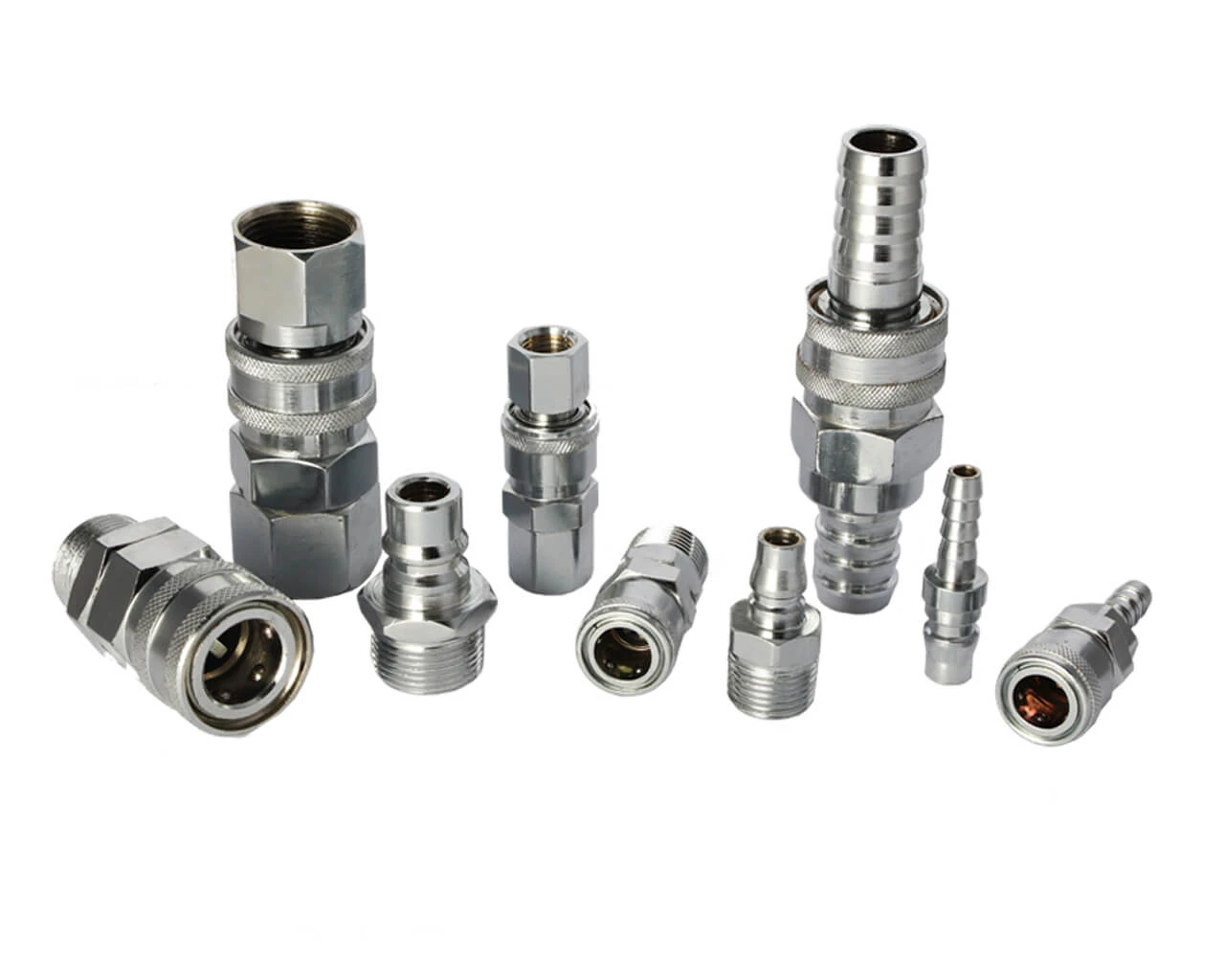
Agricultural machinery, construction vehicles, and industrial hydraulic equipment operate in demanding environments where dependable fluid connections are essential. Tractors, excavators, loaders, and hydraulic attachments often require hoses and accessories to be connected or disconnected during routine operations. If these connections are difficult to handle, prone to leakage, or unable to withstand operating pressure, they can contribute to equipment downtime and increased maintenance costs.
Choosing the right Quick Coupler helps simplify equipment connections while supporting reliable hydraulic fluid transfer. However, not every coupling is designed for the same working conditions. Pressure requirements, material strength, sealing performance, connection frequency, and environmental exposure all influence product suitability. Understanding these factors makes it easier to select a durable solution for agricultural, construction, and hydraulic applications.
1. Understand the Equipment’s Operating Requirements
Start by identifying the specific demands of the machinery. Agricultural tractors, construction equipment, and stationary hydraulic systems may use similar connection components, but their operating environments can differ significantly.
For example, an excavator may experience heavy vibration and mechanical impact, while agricultural machinery may regularly encounter mud, moisture, and dust. Stationary industrial equipment may operate under consistent pressure for extended periods.
Evaluate these conditions before selecting a coupler:
- Maximum working pressure and possible pressure surges.
- Required hydraulic fluid flow rate.
- Operating temperature range.
- Frequency of connection and disconnection.
- Exposure to dust, moisture, chemicals, and vibration.
- Compatibility with the existing hydraulic hoses and attachments.
A clear understanding of these requirements helps prevent unsuitable product choices.
2. Choose a Coupling Design That Matches the Application
Quick couplers are available in several designs, each offering different connection and operating characteristics.
Flat-Face Couplers
Flat-face couplers feature smooth mating surfaces that help minimize fluid spillage during connection and disconnection. They are particularly useful for construction and agricultural machinery that frequently changes hydraulic attachments.
Their accessible surfaces also make cleaning easier, which can help reduce the risk of contamination entering the hydraulic system.
Ball-Type Couplers
Ball-type designs use internal locking elements to secure the mating halves. They are used in various hydraulic applications, with pressure and flow capabilities depending on the specific product.
Push-to-Connect Couplers
These designs allow compatible components to engage through a convenient insertion mechanism. They can be useful when equipment requires frequent connection changes and quick handling.
Screw-to-Connect Couplers
Screw-to-connect designs use threaded engagement to secure the connection. They may be appropriate for demanding applications where mechanical retention is important, provided the design meets the equipment’s pressure and vibration requirements.
The correct design should be selected according to manufacturer specifications and actual operating conditions.
3. Verify Pressure and Flow Capacity
Hydraulic equipment depends on connections that can handle the system’s operating pressure without compromising safety. A coupler with an inadequate pressure rating may leak, deform, or fail when exposed to demanding conditions.
Flow capacity is equally important. An undersized internal passage can restrict fluid movement and create unnecessary pressure loss, potentially affecting the performance of hydraulic cylinders, motors, and other components.
Check the following specifications:
- Maximum allowable working pressure.
- Pressure limits during connection and disconnection.
- Required flow rate.
- Pressure drop across the coupling.
- Resistance to repeated pressure cycles.
- Manufacturer guidance for pressure spikes.
Always evaluate the coupler as part of the complete hydraulic assembly. Hoses, fittings, valves, and other connected components must also meet the system’s operating requirements.
4. Select Strong and Corrosion-Resistant Materials
Material construction has a direct influence on durability. Agricultural and construction equipment often operates outdoors, where hydraulic connections may be exposed to water, dirt, chemicals, and changing weather conditions.
Common material options include:
Carbon steel: Offers mechanical strength and is widely used in demanding hydraulic applications. Protective coatings can improve corrosion resistance.
Stainless steel: Provides enhanced resistance to corrosion and is suitable for environments involving moisture or certain aggressive substances.
Brass: Offers useful corrosion resistance in selected fluid-handling applications, although its mechanical strength and pressure limitations must be considered carefully.
The best material depends on pressure requirements, environmental exposure, fluid compatibility, and expected service life.
5. Evaluate Sealing Performance
A durable coupler must maintain a reliable seal during normal operation. Hydraulic leakage can reduce system efficiency, waste fluid, damage surrounding components, and create workplace hazards.
Sealing performance depends on the coupling design, seal material, surface condition, and correct installation.
When comparing products, consider:
- Compatibility between the seal and hydraulic fluid.
- Resistance to operating temperatures.
- Ability to withstand system pressure.
- Durability during repeated connection cycles.
- Protection against dirt and external contamination.
- Leakage performance when connected and disconnected.
Regularly inspect seals for cuts, cracking, swelling, or other signs of deterioration. Replace damaged sealing components according to manufacturer recommendations.
6. Consider the Specific Needs of Agricultural Equipment
Agricultural machinery often operates in outdoor environments with exposure to soil, moisture, plant material, and changing weather conditions. Hydraulic connections may also need to be changed when switching between implements and attachments.
When selecting couplers for tractors, harvesters, and other farm machinery, prioritize:
- Corrosion-resistant construction.
- Protection against dirt and moisture.
- Convenient connection and disconnection.
- Compatibility with existing hydraulic implements.
- Suitable pressure and flow capacity.
- Reliable locking mechanisms.
Keeping connection surfaces clean is especially important because agricultural equipment frequently operates in environments where dust and debris can accumulate.
7. Account for Construction Equipment Demands
Construction machinery often experiences heavy loads, vibration, impact, and frequent attachment changes. Excavators, loaders, skid-steer machines, and other vehicles need hydraulic connections that can withstand demanding working conditions.
Important selection considerations include:
Vibration Resistance
The coupling should have a locking arrangement suitable for the movement and vibration expected during operation.
Mechanical Durability
Choose construction materials and designs capable of handling the application’s mechanical stresses.
Contamination Control
Flat-face designs can make cleaning easier and help minimize fluid spillage during attachment changes.
Pressure Compatibility
Confirm that the coupler meets the hydraulic system’s working pressure and flow requirements.
These considerations help maintain dependable connections when machinery operates under challenging site conditions.
8. Check Compatibility With Existing Hydraulic Systems
A coupler must match the connection profile and technical requirements of the equipment. Products with similar external dimensions may have different thread types, valve arrangements, or coupling profiles.
Before purchasing, verify:
- Coupling profile and applicable standard.
- Thread type and size, where relevant.
- Hose or pipe connection dimensions.
- Pressure and flow ratings.
- Hydraulic fluid and seal compatibility.
- Manufacturer-approved interchangeability.
Never assume that coupling halves from different manufacturers are interchangeable. Incorrect combinations can cause poor engagement, leakage, and unsafe operation.
9. Prioritize Easy Maintenance and Long Service Life
Durability is not determined by material strength alone. A coupling must also be easy to inspect, clean, and maintain throughout its working life.
A practical maintenance routine should include:
- Inspecting the coupling body for corrosion and physical damage.
- Checking seals and valve components for wear.
- Cleaning mating surfaces before connection.
- Examining locking mechanisms for secure engagement.
- Using protective caps or plugs when disconnected.
- Replacing damaged components promptly.
- Following manufacturer instructions for inspection and servicing.
For hydraulic equipment, isolate the system and safely relieve trapped pressure where required before disconnecting any line.
10. Compare Product Quality and Supplier Support
Choosing a reliable supplier is another important part of the selection process. Clear product documentation helps buyers confirm that a coupling is appropriate for the intended machinery.
When evaluating suppliers, review:
- Detailed technical specifications.
- Available pressure and flow ratings.
- Material and seal information.
- Relevant product testing and certifications.
- Replacement component availability.
- Technical assistance for product selection.
A supplier that provides accurate specifications and consistent product quality can help reduce compatibility issues and improve long-term equipment reliability.
11. Common Selection Mistakes to Avoid
Several avoidable mistakes can shorten coupling service life or affect hydraulic system performance.
- Choosing a product based only on purchase price.
- Ignoring pressure surges and flow requirements.
- Selecting unsuitable materials for outdoor environments.
- Overlooking seal compatibility.
- Mixing incompatible coupling profiles.
- Neglecting regular inspection and cleaning.
- Using damaged or contaminated connection surfaces.
- Ignoring manufacturer installation procedures.
Reviewing technical requirements before purchasing helps prevent these problems and supports safer equipment operation.
Conclusion
Selecting a durable quick coupler for agricultural, construction, and hydraulic equipment requires careful consideration of operating pressure, flow capacity, material strength, sealing performance, and connection compatibility. Each application presents different challenges, so the selected product must match the machinery’s actual working conditions.
By choosing an appropriate coupling design, following correct installation procedures, and maintaining clean connection surfaces, businesses can reduce leakage risks and improve equipment availability. A well-matched coupler supports efficient attachment changes, dependable hydraulic performance, and longer service life across demanding applications.