
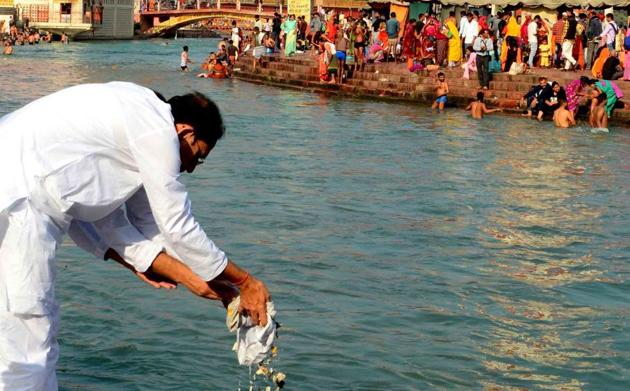
Grief has a way of narrowing focus. When a family is preparing for Kashi Asthi Visarjan, most of the attention naturally goes to the emotional weight of the day, saying a final goodbye, standing at the ghat, watching the ashes disappear into the Ganga. What tends to get overlooked are the smaller, practical details that don’t feel urgent until they suddenly are. None of these oversights are dramatic on their own, but together they can turn an already difficult day into a more stressful one than it needs to be. Here’s what families frequently miss, and why each one matters more than it seems at first glance.
Forgetting That Gotra Isn’t Always Common Knowledge
Every sankalp, the formal vow spoken at the start of the ritual, requires the gotra, or ancestral lineage, of the deceased. Families often assume this detail will surface easily in the moment, only to realise at the ghat that no one present actually knows it with certainty. This happens more often than people expect, especially across generations where the information was never written down or clearly passed on. It’s worth asking extended family members in advance, or raising the uncertainty directly with the pandit beforehand, since many are able to help determine it based on regional or family tradition rather than leaving the family to guess under pressure.
Assuming Asthi Visarjan and Pind Daan Are the Same Ritual
This is one of the most common points of confusion, and it’s easy to see why. Both rituals are performed for the departed, both involve river rites, and both are steeped in the same spiritual intent. But they are distinct ceremonies. Asthi Visarjan is the one-time immersion of the physical ashes, while Kashi Pinda Pradanam is a separate offering made for the ongoing nourishment and peace of the soul, often performed on a different day or even in a different sacred city depending on family tradition.
Families sometimes arrive expecting a single ceremony to cover both, only to learn midway that they’ve overlooked an entire component their tradition actually calls for. Clarifying this distinction with a pandit well before travel avoids an unplanned second trip or a rushed, incomplete observance.
Not Accounting for River Conditions and Seasonal Timing
The Ganga doesn’t behave the same way year-round, and this genuinely affects how the ritual is carried out. Depending on the season, the water level and flow near a given ghat can shift significantly, sometimes shallow enough to wade in directly, other times requiring a small boat to reach a suitable point for immersion. Families rarely think to ask about this in advance, assuming the process will look the same regardless of when they arrive. It’s a reasonable thing to check with the pandit ahead of time, since it can affect not just the logistics of the day but also how long the ceremony takes and what to expect on arrival.
Overlooking the Real Cost Breakdown
Cost is one of those topics families hesitate to bring up directly, especially so soon after a loss, and that hesitation often leads to confusion later. It’s worth understanding the asthi visarjan price in varanasi in detail before the day arrives, not just a single number, but what it actually includes. Pandit dakshina, ritual samagri, ghat arrangements, and any additional rites performed alongside the immersion can all factor into the total, and these components vary depending on the scale of the ceremony a family chooses. Asking for this breakdown upfront, rather than assuming a flat, all-inclusive figure, prevents the awkwardness of unexpected costs surfacing mid-ritual.
Forgetting Documentation for Family Members Who Couldn’t Travel
In many families today, not everyone can be physically present; some members live abroad, some are managing health limitations, others simply can’t get away on short notice. What often gets forgotten is arranging some form of record for those who couldn’t attend: photographs, a short video, or written confirmation that the ritual was completed on the family’s behalf. This isn’t just a formality. For relatives who carry guilt or grief over their absence, having tangible proof that the rite was performed with proper care and their name included in the sankalp can matter more than families realize until after the fact. It’s worth requesting this in advance rather than assuming it will happen automatically.
Why These Details Deserve Attention Before the Day Arrives
None of these oversights stem from carelessness. They happen because grief occupies so much mental space that the smaller logistics simply don’t register until they become urgent. The fix isn’t complicated: having a direct, unhurried conversation with a pandit before arriving in Kashi, covering gotra details, the distinction between rituals, seasonal timing, actual costs, and documentation for absent family members. Addressing these ahead of time doesn’t diminish the sanctity of the ritual; if anything, it protects it, allowing the family to be fully present for what the day is actually about, rather than distracted by details that could have been settled beforehand.
Conclusion
Planning Asti Visarjan in Kashi means looking past the immersion itself to the smaller details surrounding it, confirming the gotra, understanding how Kashi pinda pradanam differs from the immersion ritual, checking seasonal river conditions, knowing the real costs involved, and arranging documentation for family members who can’t travel. None of these require much effort if addressed early. What they offer in return is real: a family free to stay fully present for the day, honoring their loved one without last-minute stress, confusion, or things left undone. Pitradev helps families prepare for Asti Visarjan and related rites in Kashi with clear guidance on ritual details, gotra verification, seasonal timing, transparent costs, and documentation for relatives unable to travel, so families can focus on the ceremony itself, not the logistics surrounding it.