
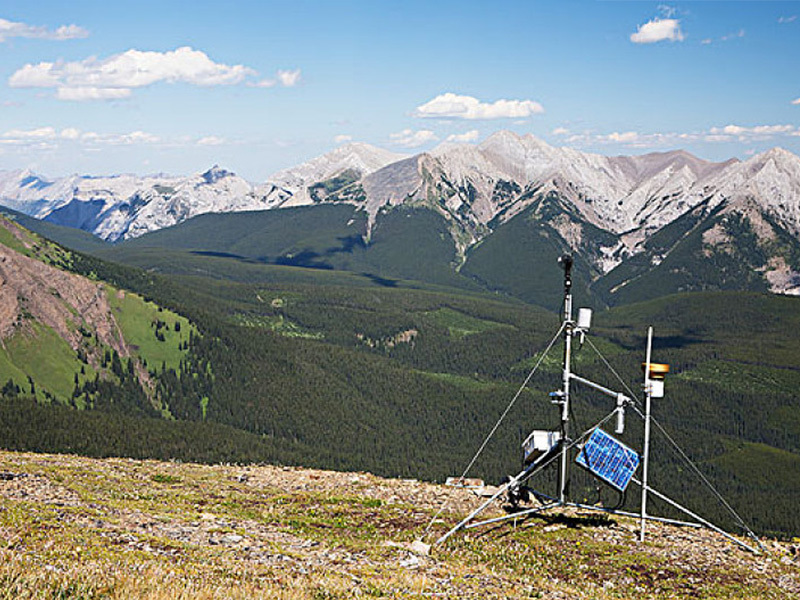
Monitoring weather in remote locations presents unique challenges. Harsh climates, limited access to power, and difficulty in maintaining equipment make traditional weather monitoring solutions less effective. For researchers, agricultural managers, and energy operators, having reliable and accurate weather data in such areas is crucial for decision-making, safety, and operational efficiency. Rika weather stations have emerged as a reliable solution for these challenges, offering robust technology tailored to meet the demands of remote environments.
Rika weather stations are equipped with advanced sensors that measure temperature, humidity, wind speed, rainfall, solar radiation, and atmospheric pressure. These instruments are designed for precision and durability, allowing them to operate effectively in isolated and harsh conditions. Many organizations implement the Rika Weather Station for remote deployments because of its long-term reliability, low maintenance needs, and ability to integrate with IoT platforms for real-time monitoring without the need for frequent physical access.
Robust Construction for Extreme Environments
One of the key advantages of Rika weather stations in remote locations is their robust construction. These stations are built to withstand extreme temperatures, high winds, heavy rainfall, and prolonged exposure to sunlight. Materials such as UV-resistant plastics and corrosion-resistant metals ensure that sensors continue to function accurately even in harsh environmental conditions.
Protective housings shield sensitive components from dust, debris, and moisture, reducing the risk of damage and equipment failure. This durability allows remote installations to remain operational for extended periods without the need for regular maintenance, making Rika weather stations ideal for locations that are difficult to access.
Low Power Requirements and Sustainable Operation
Power supply is often a major concern in remote locations where grid access is limited or unavailable. Rika weather stations are designed for energy efficiency, enabling them to operate on low power. Many models can be powered by solar panels or long-life batteries, ensuring continuous operation without frequent intervention.
The low power consumption of these weather stations makes them suitable for long-term deployments in agricultural fields, mountainous areas, or desert regions. Solar-powered systems combined with energy-efficient sensors allow for sustainable monitoring, even in locations where traditional power sources are not feasible.
Wireless Communication and IoT Integration
Connectivity is critical for monitoring remote locations. Rika weather stations support wireless communication technologies such as GSM, LoRa, and Wi-Fi, allowing them to transmit real-time data to cloud platforms or central monitoring systems. This enables users to access weather data remotely, track trends, and make informed decisions without the need to physically visit the site.
IoT integration enhances the functionality of these stations, allowing for automated alerts and predictive analysis. For example, a remote weather station monitoring a mountainous agricultural area can send warnings about frost, high winds, or rainfall, enabling proactive measures to protect crops or infrastructure. This level of automation and remote access is particularly valuable for large-scale operations and critical applications.
Accuracy and Reliability in Data Collection
Accurate weather data is essential for forecasting, research, and operational planning. Rika weather stations provide precise measurements through carefully calibrated sensors that maintain performance even under challenging conditions. Temperature, humidity, wind, and rainfall data collected by these stations can be used for agricultural irrigation planning, renewable energy management, and environmental research.
The reliability of Rika weather stations ensures that decisions made based on their data are well-informed. Their ability to provide consistent readings over long periods is particularly important in remote areas, where intermittent data gaps can impact agricultural productivity, energy forecasts, or scientific studies.
Applications in Agriculture and Renewable Energy
Remote agricultural fields benefit greatly from Rika weather stations. Farmers can monitor microclimates, optimize irrigation schedules, and prevent crop damage due to frost or heat stress. Similarly, in renewable energy applications, accurate weather data from remote wind or solar farms allows operators to optimize energy production and plan maintenance schedules effectively.
For environmental research stations in isolated regions, Rika weather stations provide reliable climate monitoring, supporting studies of ecosystems, wildlife habitats, and climate change without frequent human intervention.
Minimal Maintenance and Long-Term Deployment
Maintenance challenges in remote areas can be costly and time-consuming. Rika weather stations are designed to require minimal maintenance, thanks to their durable construction, low power requirements, and weather-resistant materials. This makes them particularly suitable for long-term deployments where accessibility is limited.
Periodic checks and simple cleaning are usually sufficient to keep the stations operational, allowing organizations to focus on analyzing data rather than constantly servicing equipment. This reliability and ease of maintenance make Rika weather stations an ideal choice for remote and challenging environments.
Conclusion
Rika weather stations are specifically designed to meet the demands of remote locations, offering durability, low power consumption, wireless connectivity, and accurate data collection. Their ability to operate reliably in harsh conditions, combined with IoT integration for remote monitoring, makes them a vital tool for agriculture, renewable energy, environmental research, and other applications in isolated areas.
By providing precise and continuous weather data, Rika weather stations enable informed decision-making, protect resources, and support sustainable operations, even in the most challenging environments. Their robust technology ensures that remote locations remain well-monitored without constant maintenance, making them an essential solution for modern weather observation.