Aeration is a fundamental process in wastewater treatment because it supplies the oxygen microorganisms need to break down organic pollutants. Efficient oxygen distribution helps maintain biological activity, supports stable treatment performance, and improves the quality of treated water. Choosing suitable aeration equipment is therefore important for wastewater treatment plants that aim to achieve reliable results while controlling energy consumption.
A key component of many aeration systems is the Bubble Disc Diffuser, which releases air into wastewater through a perforated membrane. It creates bubbles that rise through the water, allowing oxygen to transfer into the liquid and supporting the microorganisms responsible for biological treatment. Its design, material, and operating characteristics influence how effectively air is distributed throughout the treatment tank.
What Is a Bubble Disc Diffuser?
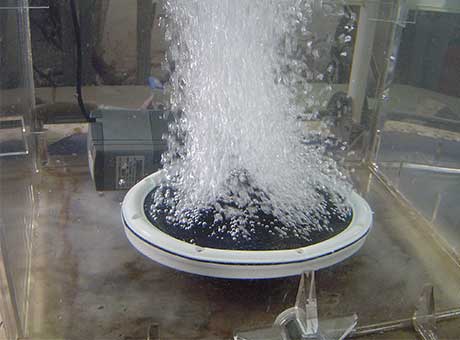
A bubble disc diffuser is an aeration device typically installed at the bottom of a wastewater treatment tank. It generally consists of a circular support body and a flexible membrane with small openings that release compressed air.
When air enters the diffuser, the membrane distributes it through multiple openings, forming bubbles that move upward through the wastewater. During this movement, oxygen transfers from the bubbles into the surrounding liquid.
Bubble disc diffusers are commonly used in municipal sewage treatment plants, industrial wastewater facilities, activated sludge systems, and biological reactors. Depending on their membrane design and operating conditions, they can produce fine or coarse bubbles.
How a Bubble Disc Diffuser Works
The operation of a bubble disc diffuser involves a straightforward but important process that supports biological wastewater treatment.
1. Compressed Air Supply
An air blower supplies compressed air through a network of pipelines connected to the diffusers installed in the treatment tank.
2. Air Distribution Through the Membrane
Air enters the diffuser body and passes through the membrane openings. The membrane helps distribute airflow across its active surface.
3. Bubble Formation
As air passes through the openings, bubbles form and rise through the wastewater. The bubble size depends on membrane characteristics, pore design, airflow, and operating conditions.
4. Oxygen Transfer
Oxygen moves from the air bubbles into the wastewater. This increases dissolved oxygen availability, which microorganisms need for aerobic biological activity.
5. Biological Pollutant Removal
Microorganisms use the available oxygen to break down biodegradable organic matter. This process helps reduce the organic pollution load and supports the overall treatment process.
Key Benefits of Using a Bubble Disc Diffuser
Bubble disc diffusers offer several advantages when properly selected and installed within a suitable aeration system.
Improved Oxygen Distribution
An effective diffuser arrangement distributes air throughout the treatment tank, helping reduce areas with insufficient oxygen. Uniform distribution supports consistent biological activity and more stable treatment conditions.
Efficient Oxygen Transfer
Fine-bubble disc diffusers can provide a relatively large gas-water contact area. Under suitable operating conditions, this can improve oxygen transfer and reduce the amount of air required to meet a particular oxygen demand.
Support for Biological Treatment
Aerobic microorganisms require oxygen to break down organic pollutants. By maintaining suitable dissolved oxygen levels, bubble disc diffusers help create conditions that support biological treatment.
Potential Energy Savings
Aeration can represent a substantial portion of a wastewater treatment plant’s energy consumption. A properly designed diffuser system can improve oxygen transfer per unit of air supplied, potentially reducing blower energy requirements.
Actual savings depend on diffuser performance, blower efficiency, water depth, airflow control, and wastewater characteristics.
Compact Installation
Disc diffusers are designed for installation across the bottom of aeration tanks. Their compact shape allows multiple units to be arranged according to tank dimensions and required airflow distribution.
Flexible Application
Bubble disc diffusers can be used in different biological treatment configurations, including activated sludge processes, sequencing batch reactors, and moving bed biofilm reactor systems.
Fine-Bubble and Coarse-Bubble Diffusers
Bubble size is an important consideration when selecting an aeration diffuser. Fine-bubble and coarse-bubble designs serve different operational purposes.
Fine-Bubble Disc Diffusers
Fine-bubble diffusers produce smaller bubbles with a relatively high surface area compared with their gas volume. This provides more opportunity for oxygen transfer as bubbles rise through the wastewater.
Common advantages include:
- Higher oxygen transfer potential under suitable conditions.
- More effective oxygen utilization in many aerobic treatment applications.
- Suitability for activated sludge aeration tanks.
- Potential reductions in airflow and energy demand when the complete system is optimized.
However, fine-bubble systems may be more sensitive to fouling and require appropriate maintenance.
Coarse-Bubble Disc Diffusers
Coarse-bubble diffusers generate larger bubbles that rise more quickly and create stronger liquid movement.
They may be suitable for applications where mixing and solids suspension are important. Their oxygen transfer efficiency is generally lower than that of fine-bubble systems under comparable conditions, but their mixing characteristics can be useful in specific treatment processes.
The choice between fine and coarse bubbles should depend on the treatment objective, wastewater composition, and reactor design.
Applications in Biological Wastewater Treatment
Bubble disc diffusers are used in several wastewater treatment processes because they provide a practical method of introducing air into biological treatment tanks.
Activated Sludge Systems
In activated sludge treatment, microorganisms are suspended in wastewater and consume organic pollutants under aerobic conditions.
Disc diffusers supply oxygen to maintain biological activity and support the breakdown of biodegradable substances. Proper diffuser placement helps distribute air across the aeration basin.
Moving Bed Biofilm Reactor Systems
Moving Bed Biofilm Reactor (MBBR) systems use specially designed carrier media that provide surfaces for microbial growth.
Aeration serves two important purposes: supplying oxygen to microorganisms and maintaining movement of the carrier media. The diffuser arrangement must provide suitable airflow and mixing without disrupting the intended reactor operation.
Sequencing Batch Reactors
Sequencing Batch Reactors (SBRs) treat wastewater in a series of timed stages, including filling, aeration, settling, and decanting.
Bubble disc diffusers provide oxygen during the aeration stage. Their performance should match the reactor’s operating cycle and changing oxygen requirements.
Industrial Wastewater Treatment
Industrial wastewater may contain high concentrations of biodegradable organic matter, suspended solids, and different chemical compounds.
Diffuser materials and configurations should be selected according to wastewater characteristics to support reliable operation and reduce the risk of membrane damage or fouling.
Factors to Consider When Selecting a Bubble Disc Diffuser
Choosing an appropriate diffuser requires more than comparing product dimensions or purchase prices. Several technical factors influence its performance and service life.
Membrane Material
Common membrane materials include EPDM and silicone. EPDM is widely used because of its flexibility and suitability for many wastewater applications. Silicone may be preferred in certain conditions depending on temperature and chemical exposure.
The material should be compatible with the wastewater being treated.
Airflow Capacity
Every diffuser has a recommended operating airflow range. The selected unit should provide sufficient air without exceeding its design limits.
Incorrect airflow can affect bubble formation, pressure requirements, and membrane durability.
Operating Pressure
Pressure loss across the diffuser membrane influences blower requirements and overall system energy consumption.
A diffuser with excessive resistance may increase operating costs, so pressure specifications should be reviewed during system design.
Oxygen Transfer Performance
Oxygen transfer depends on bubble size, water depth, airflow, wastewater composition, and operating conditions.
Manufacturers’ performance data can help with preliminary selection, but actual wastewater conditions should also be considered.
Durability and Maintenance
Membrane quality, chemical resistance, and resistance to fouling influence the expected service life of a diffuser.
Facilities should also consider how easily the units can be inspected, cleaned, and replaced.
Maintenance Practices for Reliable Performance
Routine maintenance helps preserve diffuser efficiency and prevent unexpected aeration problems.
Important maintenance activities include:
- Monitor airflow: Check whether air distribution remains consistent across the tank.
- Inspect operating pressure: Increasing pressure requirements may indicate fouling or blockage.
- Check bubble patterns: Uneven bubble formation can reveal damaged membranes or airflow restrictions.
- Clean when necessary: Use cleaning methods recommended by the diffuser manufacturer.
- Inspect membranes: Look for cracks, deterioration, or signs of chemical damage.
- Check pipelines: Ensure that air distribution connections remain secure and free from leaks.
A planned maintenance schedule can help reduce downtime and maintain stable oxygen transfer performance.
How Bubble Disc Diffusers Improve Overall Treatment Efficiency
The performance of an aeration system affects several aspects of wastewater treatment. By supplying oxygen and supporting proper air distribution, bubble disc diffusers contribute to biological process stability.
Adequate dissolved oxygen helps aerobic microorganisms remain active and break down organic matter. Consistent aeration can also support more predictable operation and help operators maintain treatment conditions within the required range.
When diffuser selection, blower capacity, and airflow control are properly coordinated, the system can deliver the necessary oxygen while avoiding unnecessary energy consumption.
However, aeration alone does not determine treatment quality. Hydraulic conditions, biological loading, sludge management, nutrient availability, and other process parameters must also be managed effectively.
Conclusion
A bubble disc diffuser plays an important role in efficient wastewater aeration by distributing compressed air and supporting oxygen transfer into biological treatment tanks. Its performance influences dissolved oxygen availability, microbial activity, and the overall efficiency of aerobic wastewater treatment.
Selecting the right diffuser requires careful consideration of membrane material, bubble size, airflow capacity, operating pressure, wastewater characteristics, and maintenance requirements. When integrated into a properly designed aeration system, bubble disc diffusers can support reliable biological treatment, improve oxygen utilization, and contribute to more cost-effective wastewater plant operations.