Plant health is a major concern for commercial nurseries because diseases can affect crop quality, slow production, increase operating costs, and create challenges when fulfilling customer orders. When growing tropical plants in large quantities, even a small number of infected specimens may introduce problems into shared greenhouse environments. For this reason, nurseries must pay close attention to the health of incoming planting material and the propagation practices used by their suppliers.
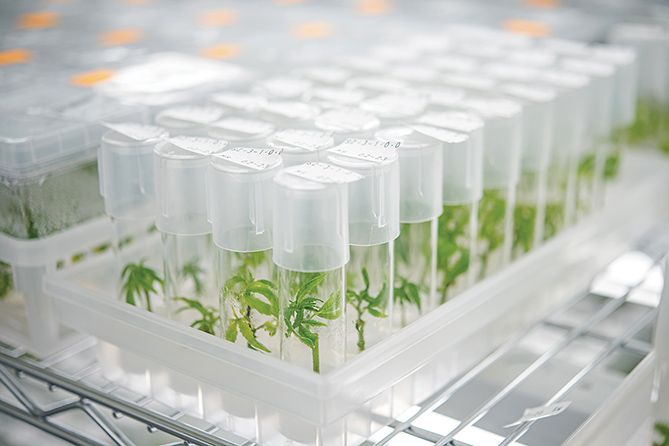
Sourcing Wholesale Tissue Culture Tropical Plants from a reputable supplier can help nurseries obtain young plants produced under controlled laboratory conditions. Tissue culture propagation offers opportunities to reduce certain contamination risks and maintain more consistent plant material. However, proper quality control, transportation, inspection, and acclimatization remain essential for maintaining healthy crops.
1. Reducing the Risk of Disease Introduction
Introducing new plants into an established nursery always carries some risk. Infected or contaminated planting material can introduce unwanted pathogens into growing areas, potentially affecting nearby plants.
Tissue culture propagation takes place in controlled laboratory environments where sterilized tools, prepared growing media, and appropriate handling procedures are used to reduce contamination risks. These measures can help produce cleaner planting material than some conventional propagation methods.
For nurseries, this is particularly valuable when purchasing large quantities of tropical plants. Starting with carefully produced material can reduce the likelihood of introducing certain diseases into existing production areas.
However, tissue culture does not guarantee that every plant is completely pathogen-free. Suppliers should maintain appropriate inspection and monitoring procedures, and buyers should examine incoming shipments before introducing them into their main growing facilities.
2. Protecting Existing Nursery Collections
Commercial nurseries often maintain a wide range of tropical plant varieties in shared greenhouse environments. These collections may include valuable parent plants, young propagation material, and mature plants prepared for sale.
If infected plants enter these facilities, certain pathogens may spread through water, contaminated tools, insects, growing media, or direct contact.
Using carefully inspected tissue culture plants can support preventive plant health management. It is also important to separate incoming shipments from established stock until their condition has been evaluated.
A practical receiving procedure should include:
- Inspecting foliage and roots for visible abnormalities
- Checking packaging for damage or contamination
- Verifying plant labels and variety information
- Keeping new arrivals separate during initial assessment
- Cleaning tools and work surfaces between handling activities
- Removing and isolating suspicious plant material
These precautions help protect existing collections and make disease management more systematic.
3. Supporting Consistent Plant Growth
Healthy starting material provides a better foundation for successful nursery production. Plants affected by disease may develop slowly, produce damaged foliage, or struggle to establish after transplanting.
Tissue culture allows selected plant material to be multiplied under controlled conditions. When suitable source plants and reliable laboratory procedures are used, this can support more consistent plant development and reduce certain health-related uncertainties.
For commercial growers, consistent starting material makes it easier to organize transplanting, greenhouse allocation, and cultivation schedules.
Nevertheless, plant growth also depends on suitable environmental conditions, nutrient availability, watering practices, and proper acclimatization. Disease prevention should therefore be combined with good nursery management.
4. Improving Batch Quality for Wholesale Buyers
Nurseries that supply retailers, distributors, and landscaping businesses need to maintain consistent quality across large orders. Customers generally expect plants within the same batch to meet similar standards for appearance, health, and variety identification.
Tissue culture propagation can support batch consistency because plants are produced through standardized multiplication procedures. Starting with carefully selected source material also helps maintain desirable plant characteristics.
Disease prevention is an important part of this process. A batch containing unhealthy plants may require additional inspection, treatment, replacement, or removal, increasing production costs and delaying delivery.
Reliable suppliers should explain how they monitor plant health during production and inspect plants before shipment.
5. Lowering the Risk of Production Losses
Plant disease can create financial problems for nurseries. Affected plants may require isolation, treatment, additional labor, or disposal. If a disease spreads through a growing area, losses can extend beyond the original shipment.
Sourcing healthy tissue culture material can help reduce some of these risks when combined with appropriate preventive measures.
Potential operational benefits include:
- Fewer avoidable problems during initial plant establishment
- Reduced need to manage contaminated incoming material
- More predictable growing schedules
- Better protection of established nursery stock
- Improved consistency when preparing plants for sale
These benefits depend on supplier quality and nursery management. Businesses should avoid assuming that purchasing tissue culture plants eliminates the need for regular plant health monitoring.
6. Maintaining Better Hygiene During Propagation
Laboratory hygiene is fundamental to producing healthy tissue culture plants. Contamination can occur when microorganisms enter culture containers, growing media, tools, or plant material.
Professional laboratories use procedures designed to reduce these risks. Common measures include sterilizing equipment, maintaining clean working areas, preparing suitable culture media, and monitoring cultures throughout production.
Buyers should ask suppliers about their hygiene and contamination-control practices.
Useful questions include:
- How is source plant material selected and prepared?
- What sterilization procedures are used?
- How are culture containers monitored?
- What happens when contamination is detected?
- Are finished batches inspected before packaging?
A supplier that can clearly explain its procedures provides buyers with a better understanding of how plant health is managed during production.
7. Supporting Safer Transportation and Receiving Procedures
Even plants produced under controlled laboratory conditions can encounter problems during transportation. Damaged containers, unsuitable temperatures, prolonged transit, and poor handling may affect plant condition.
Nurseries should therefore consider shipping arrangements as part of their plant health strategy.
Before placing an order, buyers should discuss packaging methods, expected transit times, and handling recommendations. Upon arrival, plants should be inspected promptly rather than immediately mixed with existing nursery stock.
For international shipments, buyers should also verify applicable phytosanitary requirements and documentation. These measures support responsible plant movement and help reduce the risk of introducing regulated pests or diseases.
8. Making Acclimatization More Successful
Tissue culture plants often require an adjustment period after leaving the laboratory. They may have developed under high humidity and controlled light conditions, making them sensitive to sudden changes in the nursery environment.
Stress during acclimatization can weaken plants and make them more vulnerable to secondary problems. Careful management is therefore essential.
Nurseries should pay attention to:
- Gradual reduction of humidity
- Appropriate light exposure
- Stable temperature conditions
- Suitable growing media
- Careful watering and drainage
- Adequate air circulation
Plants should also be monitored for unusual leaf spots, discoloration, wilting, or other signs of stress. Early attention can help growers distinguish environmental problems from potential disease issues.
9. Helping Nurseries Maintain Customer Confidence
Plant retailers and wholesale buyers depend on nurseries to provide healthy products. Delivering plants with visible disease symptoms can damage customer confidence and affect repeat business.
A reliable sourcing strategy helps nurseries maintain stronger quality standards before plants reach the market.
Businesses can support customer confidence by maintaining accurate variety labels, inspecting finished products, recording plant health observations, and following consistent handling procedures.
Healthy-looking plants are not only more attractive to buyers but also easier to prepare for retail displays and commercial landscaping projects.
10. Choosing a Supplier with Strong Plant Health Standards
The quality of incoming tissue culture plants depends significantly on the supplier’s production and inspection procedures. Buyers should evaluate potential suppliers carefully rather than relying only on product photographs or competitive quotations.
Important factors include:
Source material selection: Ask how parent plants are selected and monitored.
Laboratory hygiene: Understand the procedures used to limit microbial contamination.
Quality inspection: Confirm whether plants and production batches are checked before shipment.
Product documentation: Request accurate variety information and relevant plant health documents.
Packaging and transportation: Review how plants are protected during delivery.
Technical guidance: Check whether the supplier provides recommendations for receiving, acclimatization, and cultivation.
Starting with a smaller order can help nurseries evaluate plant condition and supplier reliability before committing to large-scale purchases.
11. Combining Tissue Culture Sourcing with Integrated Disease Management
Purchasing carefully produced tissue culture plants is only one part of an effective disease prevention strategy. Nurseries should also maintain a structured plant health management program.
An integrated approach may include regular inspections, appropriate sanitation, pest monitoring, responsible watering, and suitable environmental management.
Staff should be trained to recognize common signs of plant stress and potential disease. Suspected cases should be isolated and assessed rather than immediately placed among healthy plants.
Keeping records of incoming batches, inspection results, treatments, and plant losses can also help identify recurring problems and improve future purchasing decisions.
Conclusion
Disease-free planting material is an important consideration for nurseries seeking to protect existing collections, maintain consistent production, and reduce avoidable plant losses. Tissue culture propagation offers a controlled method of producing tropical plants and can help reduce certain contamination risks when supported by suitable laboratory hygiene and quality management.
However, healthy plants require attention throughout the entire supply chain. Buyers should evaluate supplier practices, inspect incoming shipments, follow appropriate phytosanitary procedures, and manage acclimatization carefully. By combining reliable sourcing with effective nursery hygiene and disease prevention, commercial growers can create a stronger foundation for healthy tropical plant production.