
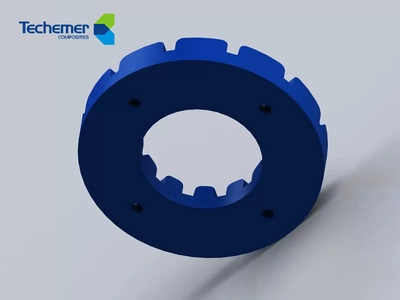
Vertical pumps are widely used in industries where equipment must handle continuous operation, demanding loads, and challenging environmental conditions. Applications in power generation, water treatment, oil and gas, mining, and chemical processing often require pumps to operate reliably for extended periods. In these environments, bearing performance is essential for maintaining mechanical stability, controlling friction, and protecting rotating components.
Advances in vertical pump bearings have introduced improved materials, lubrication systems, surface treatments, and condition-monitoring technologies. These developments help address common challenges such as excessive vibration, contamination, high temperatures, and premature wear. Understanding modern bearing technologies allows engineers and maintenance professionals to select solutions that better match the demands of their pumping systems.
Why Advanced Bearing Technologies Matter in Vertical Pumps
Bearings support the rotating shaft and help maintain its correct position during operation. Depending on the pump design, they may carry radial loads, axial loads, or a combination of both.
Vertical pumps present specific mechanical challenges because the rotating assembly is arranged vertically. Bearings must accommodate the weight of rotating components, hydraulic thrust, shaft movement, and operating forces while maintaining suitable lubrication and clearances.
In demanding applications, conventional bearing arrangements may require additional engineering considerations to achieve the desired reliability.
Advanced bearing technologies can help address these requirements by providing:
- Improved resistance to wear and fatigue.
- Better load distribution.
- Reduced friction and heat generation.
- Enhanced corrosion and contamination resistance.
- More stable operation under demanding conditions.
- Improved compatibility with modern monitoring systems.
- Longer service intervals when correctly selected and maintained.
The benefits depend on the bearing design, materials, operating environment, and quality of installation.
Advanced Materials Used in Modern Vertical Pump Bearings
Bearing material selection has a major influence on performance, particularly when pumps operate with abrasive fluids, corrosive liquids, or changing temperatures.
Modern bearing designs use a range of materials to address specific operating challenges.
1. Engineered Polymer Bearings
Engineered polymers are used in certain vertical pump bearing arrangements because they can offer good wear resistance, corrosion resistance, and low-friction characteristics.
Depending on the material formulation, polymer bearings may be suitable for applications involving water or other compatible fluids.
Their potential advantages include:
- Resistance to corrosion in suitable environments.
- Reduced dependence on conventional oil lubrication in certain designs.
- Good sliding characteristics.
- Compatibility with selected water-lubricated arrangements.
- Resistance to some forms of chemical exposure.
However, polymer performance varies considerably by material grade. Engineers must evaluate load capacity, temperature limits, dimensional stability, and chemical compatibility before selecting a polymer bearing.
2. Ceramic Bearing Materials
Advanced ceramics are used in specialized bearing applications where hardness, wear resistance, and corrosion resistance are important.
Materials such as silicon carbide and alumina may be considered for demanding environments, depending on the bearing configuration.
Potential benefits include:
- High hardness.
- Good resistance to abrasive wear.
- Corrosion resistance in compatible environments.
- Dimensional stability under suitable operating conditions.
Ceramic materials can also be brittle and sensitive to impact or improper installation. Their use should be based on a detailed assessment of operating loads and mechanical requirements.
3. Composite Bearing Materials
Composite bearings combine different materials to achieve specific performance characteristics.
They may incorporate a structural backing with a specialized bearing layer designed to provide wear resistance, suitable friction properties, or improved compatibility with the operating fluid.
These materials can be useful where conventional metallic bearings may face corrosion or lubrication challenges.
4. Advanced Metallic Alloys
Specialized metallic alloys are used where mechanical strength, fatigue resistance, and dimensional stability are important.
Bronze alloys and other engineered metal compositions may be selected for particular vertical pump applications.
The correct alloy depends on the load, shaft material, pumped fluid, lubrication arrangement, and expected operating temperature.
Modern Bearing Designs for Demanding Applications
In addition to material improvements, developments in bearing design help address the different mechanical requirements of vertical pumps.
Hydrodynamic Bearings
Hydrodynamic bearings use the relative movement of surfaces to create a supporting lubricant film.
As the shaft rotates, the lubricant film separates the bearing surfaces and supports the applied load. This operating principle can reduce direct contact and wear when the bearing operates within its intended conditions.
Hydrodynamic designs are used in suitable industrial pump and motor arrangements, particularly where continuous operation and substantial loads require carefully engineered lubrication systems.
Their performance depends on:
- Rotational speed.
- Lubricant viscosity.
- Bearing geometry.
- Load distribution.
- Temperature.
- Lubricant supply and cleanliness.
Tilting Pad Thrust Bearings
Tilting pad thrust bearings use multiple independently supported pads to accommodate axial loading.
The pads can adjust their position slightly during operation, helping establish a stable lubricant film and distribute the load across their surfaces.
These designs are particularly relevant to large rotating machinery where axial thrust management is critical.
Their advantages may include improved load distribution, stable operation, and suitability for demanding thrust-bearing applications.
Advanced Rolling-Element Bearings
Modern ball and roller bearings benefit from improvements in geometry, manufacturing accuracy, surface finish, and material quality.
Depending on the design, these improvements can support:
- Better fatigue resistance.
- More consistent load distribution.
- Reduced friction.
- Improved operating accuracy.
- Greater reliability under specified conditions.
Rolling-element bearings must still be selected according to their load ratings, speed limits, lubrication requirements, and installation conditions.
Advanced Lubrication Technologies
Lubrication is one of the most important factors affecting bearing performance. Modern lubrication approaches aim to maintain suitable surface protection while controlling heat, contamination, and lubricant degradation.
1. Improved Oil Circulation Systems
Some industrial bearing arrangements use circulating oil systems to supply lubricant continuously.
These systems can include pumps, filters, coolers, reservoirs, and monitoring devices.
A properly designed circulation system helps maintain consistent lubricant delivery and can remove heat from bearing areas.
2. Water-Lubricated Bearing Systems
Water-lubricated bearings are used in suitable vertical pump applications where the bearing material and water quality are compatible.
Modern bearing materials can improve wear resistance and support operation in applications where avoiding oil contamination is important.
However, the water supply must meet the design requirements. Abrasive particles, inadequate flow, and unsuitable water chemistry can still cause premature wear.
3. Advanced Lubricant Formulations
Modern industrial lubricants may include additives designed to improve oxidation resistance, wear protection, and corrosion control.
Selecting an appropriate lubricant requires considering viscosity, temperature, load, material compatibility, and manufacturer recommendations.
4. Automated Lubrication Systems
Automated lubrication arrangements can deliver controlled quantities of lubricant at defined intervals.
Depending on the system, this can help reduce inconsistent manual lubrication and improve maintenance planning.
Automation does not eliminate the need for inspection. Lubricant supply, system condition, and bearing temperature should still be monitored.
Smart Bearing Monitoring and Predictive Maintenance
One of the important developments in industrial bearing technology is the growing use of condition monitoring and data analysis.
Instead of relying entirely on scheduled inspections, maintenance teams can use sensor data to identify changes in bearing performance.
Vibration Sensors
Vibration sensors measure mechanical movement and help detect developing problems.
Changes in vibration patterns may indicate:
- Rolling-element or raceway damage.
- Misalignment.
- Mechanical looseness.
- Imbalance.
- Excessive bearing clearance.
Regular measurements allow maintenance teams to compare current conditions with established operating baselines.
Temperature Sensors
Temperature monitoring helps identify excessive heat caused by friction, lubrication problems, overloading, or other mechanical conditions.
Sensors can provide continuous measurements and, where integrated with suitable control systems, generate alerts when temperatures exceed defined limits.
Lubrication Condition Monitoring
In oil-lubricated systems, lubricant monitoring can help identify contamination, moisture, oxidation, and wear particles.
This information supports decisions about oil replacement, filtration, and bearing inspection.
For water-lubricated systems, monitoring may focus on flow, pressure, temperature, and water quality.
Predictive Maintenance Software
Condition-monitoring platforms can collect operating data and help identify changes over time.
By combining vibration, temperature, and lubrication information, maintenance teams can make more informed decisions about inspection and replacement schedules.
Predictive maintenance is most effective when supported by reliable sensor installation, suitable measurement intervals, and accurate interpretation of results.
Technologies for Corrosion and Contamination Resistance
Vertical pumps often operate in environments where moisture, chemicals, suspended solids, or abrasive particles can affect bearing performance.
Advanced material selection and protective design features can help reduce these risks.
Corrosion-Resistant Materials
Stainless steels, specialized alloys, ceramics, and selected polymers may be used where corrosion resistance is required.
Material compatibility must be assessed against the actual pumped fluid, concentration, temperature, and exposure conditions.
Protective Coatings and Surface Treatments
Certain bearing components use specialized surface treatments or coatings to improve wear resistance and reduce friction.
Their suitability depends on the coating material, substrate, operating load, and environmental conditions.
A coating should not be treated as a universal solution for corrosion or abrasion. It must be specified for the intended application.
Improved Sealing Arrangements
Seals and protective components help prevent unwanted contaminants from entering bearing housings.
Modern sealing solutions can improve protection against moisture and particulate contamination when correctly selected and maintained.
The sealing arrangement should also account for shaft movement, operating speed, temperature, and pressure conditions.
How Advanced Bearing Technologies Improve Pump Reliability
Modern bearing technologies can improve vertical pump reliability in several ways when properly matched to the application.
Reduced Mechanical Wear
Suitable materials, improved surface finishes, and effective lubrication help minimize friction and wear under specified operating conditions.
Better Load Management
Specialized bearing geometries can improve the distribution of radial and axial forces, reducing localized stress.
Improved Thermal Control
Appropriate lubrication and cooling arrangements help manage heat generated during operation.
More Effective Fault Detection
Condition-monitoring systems can identify abnormal changes before they develop into severe mechanical problems.
Reduced Unplanned Downtime
Early detection and appropriate maintenance planning can reduce the likelihood of sudden bearing-related shutdowns.
These improvements can support longer equipment service life, although actual results depend on operating conditions and maintenance quality.
Selecting Advanced Bearings for Demanding Vertical Pump Applications
Choosing an advanced bearing requires a complete understanding of the pump and its operating environment.
Engineers should evaluate the following factors before making a selection.
- Load requirements: Determine the expected radial and axial loads, including operating variations and hydraulic thrust.
- Rotational speed: Confirm that the bearing can operate within the required speed range.
- Operating temperature: Evaluate temperature limits for the bearing material and lubricant.
- Lubrication method: Identify whether the application requires water, oil, grease, or another specified lubrication arrangement.
- Fluid characteristics: Consider corrosion, abrasion, chemical compatibility, and contamination risks.
- Bearing dimensions: Verify shaft size, housing dimensions, clearances, and mounting requirements.
- Monitoring requirements: Determine whether temperature, vibration, or lubrication sensors would improve maintenance decisions.
- Maintenance capabilities: Consider inspection access, replacement procedures, and the availability of suitable spare parts.
Engineers should also consult pump and bearing manufacturers to confirm that the selected technology is compatible with the complete rotating assembly.
Techemer provides information on industrial bearing solutions that can help professionals evaluate bearing configurations and understand their applications in vertical pumping systems.
Maintenance Practices for Advanced Bearing Systems
Advanced bearing technology does not remove the need for regular maintenance. Proper operating practices remain essential for achieving reliable performance.
A suitable maintenance program should include:
- Monitoring vibration and bearing temperature.
- Checking lubrication supply and condition.
- Inspecting seals and protective components.
- Looking for signs of corrosion, wear, or contamination.
- Verifying shaft alignment and bearing clearances.
- Reviewing sensor readings and operating trends.
- Following manufacturer-recommended inspection intervals.
- Maintaining accurate records of bearing performance and replacement history.
When monitoring data indicates abnormal conditions, maintenance teams should investigate the underlying cause rather than relying only on alarms or replacing components without diagnosis.
Industries That Benefit from Advanced Vertical Pump Bearing Technologies
Advanced bearing solutions are useful in industries where pumps operate under demanding mechanical and environmental conditions.
Water Treatment and Distribution
Water treatment facilities use vertical pumps for intake, circulation, and distribution. Suitable bearing materials and lubrication systems help support continuous operation.
Power Generation
Power plants depend on vertical pumps for cooling water and other essential fluid circulation processes. Reliable thrust and radial bearing arrangements help protect rotating equipment.
Oil and Gas
Vertical pumps in storage tanks and processing facilities may encounter demanding loads and challenging operating environments. Appropriate materials and monitoring systems can support reliable performance.
Mining and Mineral Processing
Mining operations may involve abrasive liquids and suspended solids. Bearing materials and protection systems must be selected carefully to reduce contamination-related wear.
Chemical Processing
Chemical facilities require bearing materials that are compatible with the pumped fluid and operating temperature. Corrosion resistance and effective sealing are important selection considerations.
Conclusion
Advanced bearing technologies are helping vertical pumps meet increasingly demanding industrial requirements. Developments in engineered materials, hydrodynamic designs, lubrication systems, protective treatments, and condition monitoring provide additional options for improving mechanical reliability.
However, no single technology is suitable for every application. Bearing selection must account for load capacity, operating speed, temperature, lubrication, fluid characteristics, and environmental conditions.
Combining appropriate bearing technology with correct installation and preventive maintenance helps reduce premature wear, improve operational stability, and support longer pump service life. By evaluating both mechanical requirements and maintenance needs, industrial facilities can make more informed decisions about bearing solutions for demanding vertical pump applications.