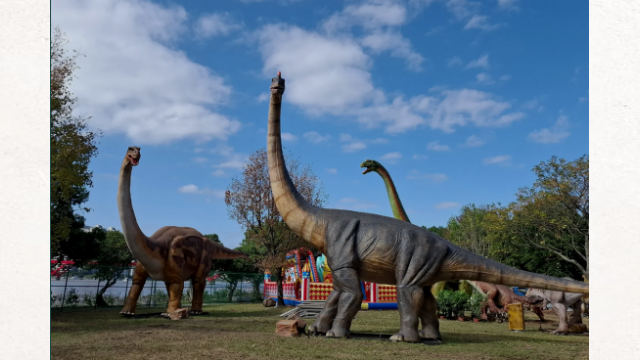
Animatronic dinosaur costumes combine costume design, mechanical engineering, electronics, and performance techniques to create convincing prehistoric characters. Unlike traditional dinosaur suits that rely entirely on a performer’s movements, animatronic designs incorporate powered or manually controlled mechanisms to produce lifelike actions. Moving jaws, blinking eyes, turning heads, and coordinated sound effects can make a dinosaur character appear more expressive and engaging.
These costumes are used in theme parks, live shows, exhibitions, promotional events, and interactive entertainment. Creating a successful design requires careful planning because mechanical movement must work alongside comfort, safety, and visual realism. A well-developed Animatronic Dinosaur Costume brings together a convincing exterior, responsive controls, reliable mechanisms, and practical features that allow performers to operate the character effectively.
1. What Makes an Animatronic Dinosaur Costume Different?
A traditional dinosaur costume generally depends on the performer’s body movements to create the character’s actions. An animatronic costume adds mechanical components that can control selected features independently or in coordination with the performer.
Depending on its design, an animatronic costume may include:
- A mechanically moving jaw
- Blinking or shifting eyes
- A rotating or tilting head
- Flexible neck movement
- Sound effects and synchronized roars
- Moving arms or other decorative features
- Internal control systems and power supplies
The level of automation varies. Some designs use simple mechanisms operated by switches or hand controls, while more advanced systems incorporate programmable movements and electronic controllers.
The goal is not necessarily to automate every part of the dinosaur. Instead, designers select movements that contribute most to the character’s expression and performance.
2. Planning the Dinosaur Character
Every animatronic costume begins with a concept. Designers first determine which dinosaur the costume will represent, what personality it should communicate, and how it will be used.
A friendly dinosaur for a family attraction may require gentle facial movements and approachable proportions. A dramatic creature for a stage show may need stronger jaw movement, expressive head actions, and powerful sound effects.
Important planning considerations include:
- Dinosaur species or fictional character
- Intended audience and entertainment setting
- Costume size and performer requirements
- Required mechanical movements
- Expected performance duration
- Indoor or outdoor operating conditions
- Transportation and storage requirements
Reference images, anatomical studies, and character sketches can help establish the dinosaur’s appearance before mechanical development begins.
Designers should also distinguish between scientifically informed features and artistic interpretations. This is particularly important when creating costumes intended for educational exhibitions.
3. Sculpting the Head and Facial Structure
The dinosaur head is often the most complex and visually important part of an animatronic costume. It contains many recognizable features and may need to accommodate mechanical components, viewing areas, ventilation, and internal supports.
The design process usually begins with shaping the skull and facial silhouette. Designers then add details such as nostrils, teeth, eye sockets, skin folds, and textured surfaces.
A successful head design must balance three requirements:
- Visual realism: The exterior should communicate the intended dinosaur character.
- Mechanical functionality: Internal space must accommodate moving components.
- Performer comfort: The structure should not create excessive weight or restrict breathing and visibility.
The jaw is especially important because it can create a dramatic expression. However, the mechanism must operate smoothly and remain safely separated from the performer’s face and other internal components.
4. Mechanical Systems Behind Dinosaur Movement
Mechanical systems give animatronic costumes their distinctive movement capabilities. Depending on the design, these systems may use motors, linkages, cables, hinges, or other mechanical components.
Each moving feature requires a suitable mechanism that matches its weight, range of motion, and operating speed.
Jaw Movement
A moving jaw can make a dinosaur appear to roar, speak, or react to visitors. A motorized mechanism may open and close the mouth through a controlled linkage.
Designers need to consider:
- Smooth opening and closing
- Appropriate movement range
- Secure mechanical connections
- Protection against pinching
- Reliable operation during repeated use
Head and Neck Movement
Head movement can make a dinosaur character appear alert and responsive. Some systems allow the head to tilt, turn, or make small controlled movements.
The neck mechanism must support the head’s weight while maintaining a suitable range of motion. Flexible connections and carefully positioned supports can help prevent unnecessary mechanical strain.
Eye and Eyelid Movement
Moving eyes or blinking eyelids can add personality to an animatronic character. These features may use small motors or other compact mechanisms.
Because eye movements are subtle, timing and coordination are important. A slow blink or slight eye movement may communicate more naturally than continuous motion.
Tail and Body Movement
Some designs incorporate a moving tail or selected body movements. These features can improve the overall performance, but they also add weight and mechanical complexity.
The tail should remain balanced and securely attached. Its movement must not create hazards for the performer or nearby visitors.
5. Choosing Suitable Motors and Actuators
Motors and actuators convert electrical or mechanical input into movement. Selecting the right type is essential because different costume features have different requirements.
Common options include:
| Component | Main function | Design considerations |
|---|---|---|
| Servo motor | Controlled movement to a selected position | Movement range, torque, and response |
| DC motor | Continuous rotational movement | Speed, power, and control requirements |
| Linear actuator | Straight-line movement | Stroke length, force, and mounting |
| Cable mechanism | Transfers movement through flexible connections | Routing, tension, and wear |
| Mechanical linkage | Connects components to produce coordinated motion | Geometry, durability, and movement limits |
The correct choice depends on the size and weight of the moving part. A small eyelid mechanism may require a compact actuator, while a larger jaw or head structure may need a stronger system.
Motors should not be selected based on power alone. Excessive force can damage costume components or create unsafe movement. Designers must consider mechanical limits, suitable operating speeds, and emergency stopping arrangements.
6. Electronic Controls and Performer Operation
Electronic controls allow performers or operators to activate animatronic movements. The control arrangement should be easy to understand and operate, particularly during live entertainment.
Depending on the costume, controls may be positioned inside the suit or operated by an assistant outside it.
Possible control methods include:
- Push buttons
- Hand-operated switches
- Trigger mechanisms
- Wired control panels
- Wireless controllers
- Programmable control units
A simple costume might use one control for jaw movement and another for sound effects. A more advanced design may coordinate several actions through programmed sequences.
Control placement is particularly important when the performer must operate the system while moving. Buttons and switches should be accessible without requiring awkward body positions.
For complex costumes, an external operator may provide better control and allow the performer to concentrate on character movement.
7. Synchronizing Movement with Sound Effects
Sound is an important part of animatronic entertainment. A dinosaur that moves its jaw while producing a roar can appear more convincing than one using unrelated movements and audio.
Common sound effects include:
- Roaring
- Growling
- Breathing
- Snarling
- Footstep sounds
- Short vocal reactions
Synchronization can be achieved through manual controls or programmed sequences. For example, activating a roar may also trigger the jaw to open, hold briefly, and then close.
The timing should match the character’s movement. If the sound begins too early or continues after the mouth has closed, the illusion may become less convincing.
Speaker placement also matters. Sound should be clear without becoming uncomfortable for the performer or audience.
8. Realistic Skin Textures and Exterior Materials
The exterior of an animatronic costume is responsible for much of its visual impact. Even a sophisticated mechanical system may look unconvincing if the surface materials and sculpted details do not match the intended character.
Designers may use a combination of materials, depending on the costume’s requirements.
| Material | Characteristics | Potential application |
|---|---|---|
| EVA foam | Lightweight and shapeable | Sculpted details and structural coverings |
| Upholstery foam | Soft and adaptable | Padding and body shaping |
| Silicone | Flexible and capable of detailed textures | Skin-like exterior sections |
| Latex | Flexible and suitable for molded surfaces | Selected facial and decorative details |
| Polyester fabric | Lightweight and available in varied finishes | Flexible costume coverings |
| Thermoplastic materials | Can hold defined shapes | Head structures and rigid details |
Surface finishing may include raised scales, wrinkles, folds, color gradients, and darker shading around recessed areas.
The materials must be compatible with the costume’s mechanical movement. Exterior sections should not become trapped in hinges, cables, or moving joints.
9. Internal Frame and Weight Distribution
An animatronic dinosaur costume needs an internal structure that supports its mechanical components and maintains the desired shape.
Depending on the design, the frame may use lightweight metal, plastic, composite materials, or reinforced structural elements.
The frame should distribute weight across suitable support points rather than concentrating it in one area. This is especially important when the costume includes a large head, mechanical jaw, or long tail.
Good structural planning can help:
- Improve performer balance
- Support moving components
- Reduce strain during extended use
- Protect internal mechanisms
- Maintain the costume’s overall shape
The internal frame should also provide sufficient space for wiring, batteries, ventilation, and control components.
10. Ventilation, Visibility, and Performer Comfort
Animatronic systems can add weight and generate heat, making ventilation and comfort essential parts of the design.
A full-body costume may contain padding, electronic components, and enclosed structures that limit airflow. Without appropriate ventilation, performers may become uncomfortable during extended appearances.
Useful design features include:
- Breathable internal fabrics
- Strategically placed ventilation openings
- Lightweight padding
- Suitable viewing panels
- Internal fans where appropriate
- Convenient access for removal and breaks
Visibility should receive particular attention. The performer needs to identify people, obstacles, and changes in floor level.
For costumes with restricted visibility, a trained assistant or spotter can help guide the performer through crowded areas.
11. Power Supply and Battery Management
Animatronic costumes require a reliable power source for their motors, controllers, fans, and sound systems.
Battery selection depends on the total electrical load, operating time, component requirements, and available space.
Important considerations include:
- Battery capacity
- Total power consumption
- Weight and placement
- Charging arrangements
- Secure electrical connections
- Protection against short circuits
- Convenient access for replacement or inspection
The battery should be positioned so that it does not interfere with the performer’s movement or create an uncomfortable weight imbalance.
Power systems should be designed and inspected by qualified personnel. Wiring should be properly insulated and secured away from moving parts.
12. Safety Features in Animatronic Costume Design
Safety must be considered throughout the design, construction, and testing process. Moving mechanisms can create hazards if they are poorly positioned or inadequately protected.
Important precautions include:
- Covering exposed gears and moving joints
- Preventing fingers or clothing from entering mechanisms
- Limiting excessive movement and force
- Providing an accessible emergency stop
- Securing batteries and electrical connections
- Ensuring safe ventilation and visibility
- Checking structural supports and fasteners
- Testing controls before every performance
The performer should be able to remove the costume quickly if necessary. Any powered movement should stop safely when an emergency control is activated or when the system loses power, where the design permits.
Public performances also require suitable operating space. Long tails, moving heads, and large body sections should remain clear of visitors and nearby equipment.
13. Testing and Fine-Tuning Animatronic Movements
Testing helps identify problems before the costume is used in a live environment. Mechanical movement, sound effects, controls, and performer comfort should all be evaluated.
A practical testing process may include:
- Checking the frame and mechanical connections.
- Testing each motor or actuator independently.
- Confirming movement limits and operating speeds.
- Checking the jaw, head, eyes, and tail where fitted.
- Testing sound and movement synchronization.
- Inspecting wiring and battery connections.
- Wearing the costume for a controlled movement trial.
- Repeating tests after adjustments.
The costume should also be tested under conditions similar to its intended use. A system that works during a short workshop test may behave differently during a longer performance.
Regular inspections can identify worn cables, loose fasteners, damaged exterior materials, and electrical problems before they interrupt an event.
14. Applications in Theme Parks, Exhibitions, and Live Shows
Animatronic dinosaur costumes can support several types of entertainment and educational activities.
Theme Parks
Theme parks may use animatronic characters for meet-and-greet experiences, scheduled shows, and themed walking performances. Expressive movement and recognizable sound effects can help create an immersive atmosphere.
Museums and Educational Exhibitions
In educational settings, dinosaur costumes can introduce visitors to prehistoric animals and encourage interest in paleontology. Designs can be paired with factual explanations about anatomy, behavior, and the fossil record.
Live Stage Performances
Theatrical productions can use animatronic costumes to create dramatic entrances, character interactions, and coordinated movement sequences. Mechanical actions may be timed with lighting, music, and sound effects.
Promotional Events
Businesses and event organizers can use distinctive dinosaur characters to attract attention at exhibitions, festivals, and product launches. Reliability and ease of operation are particularly important for repeated appearances.
15. Maintenance and Long-Term Reliability
An animatronic costume requires more maintenance than a simple fabric costume because it contains mechanical and electronic components.
A regular maintenance routine should include:
- Inspecting motors, actuators, and linkages
- Checking fasteners and structural supports
- Cleaning exterior surfaces appropriately
- Examining wiring and connectors
- Testing control buttons and switches
- Checking batteries and charging equipment
- Inspecting moving joints for wear
- Repairing damaged skin coverings
- Confirming that emergency controls work
Maintenance requirements vary according to the design and frequency of use. Costumes used daily in theme parks may need more frequent inspections than those used occasionally for private events.
Keeping maintenance records can help operators identify recurring issues and plan replacement parts or servicing.
16. What to Consider Before Investing in an Animatronic Dinosaur Costume
Before purchasing or commissioning an animatronic costume, buyers should identify their performance requirements and compare designs carefully.
| Consideration | Why it matters |
|---|---|
| Character design | Determines the dinosaur’s appearance and personality |
| Movement features | Establishes which parts can move and how |
| Control system | Influences ease of operation |
| Power requirements | Determines battery capacity and operating duration |
| Materials | Affect realism, weight, flexibility, and durability |
| Performer comfort | Supports practical use during performances |
| Safety features | Helps protect performers and audiences |
| Maintenance | Influences long-term reliability and operating costs |
| Customization | Allows the costume to match a particular theme or production |
Buyers should ask about the available movement functions, control methods, power requirements, maintenance instructions, spare parts, and performer fitting arrangements. Understanding these details helps prevent misunderstandings about what the costume can realistically achieve.
Conclusion
An animatronic dinosaur costume is the result of combining creative character design with mechanical engineering, electronic controls, realistic materials, and performance planning. Moving jaws, expressive eyes, head movement, coordinated sound effects, and carefully sculpted textures all contribute to a convincing prehistoric character.
However, successful design depends on more than visual realism. Reliable mechanisms, balanced weight distribution, ventilation, visibility, safe controls, and regular maintenance are equally important. By bringing these elements together, designers can create animatronic dinosaur costumes that support engaging performances in theme parks, exhibitions, live shows, and interactive entertainment environments.