
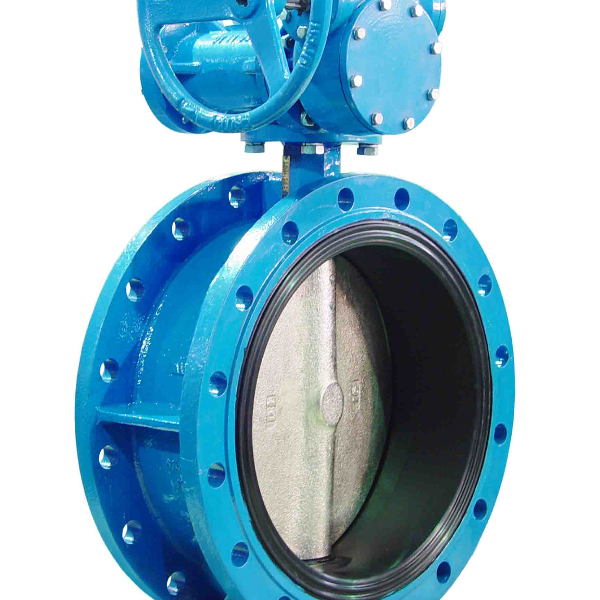
Water distribution networks depend on reliable equipment to regulate supply, isolate pipeline sections, and maintain consistent operating conditions. From municipal water systems to industrial distribution facilities, every pipeline requires suitable valves to manage the movement of water and support maintenance activities. Among the commonly used isolation devices, sluice valves play an important role because of their simple operating mechanism and ability to provide an unobstructed flow passage when fully open.
A Sluice Valve is designed to control water flow by raising or lowering a gate inside the valve body. When opened, the gate moves away from the main passage, allowing water to flow through the pipeline with relatively little resistance. When closed, it moves down to create a barrier that stops the flow. This operating principle makes sluice valves particularly useful in water supply networks where dependable isolation is essential for repairs, inspections, and routine system management.
1. What Is a Sluice Valve?
A sluice valve is a type of gate valve commonly used in water supply and distribution systems. It controls flow through a linear-motion mechanism in which a gate moves vertically to open or close the pipeline.
These valves are commonly installed in underground water mains, pumping stations, treatment facilities, reservoirs, and distribution pipelines. Their primary purpose is to isolate sections of a network rather than regulate water flow continuously.
Sluice valves are available in different sizes, pressure ratings, materials, and connection configurations. Selecting the appropriate design depends on pipeline specifications, operating pressure, installation conditions, and the quality requirements of the water system.
2. How Does a Sluice Valve Work?
Sluice valves operate through a relatively straightforward mechanical arrangement. A handwheel, gearbox, or actuator moves the valve stem, which raises or lowers the internal gate.
The operating process involves three basic stages:
- Opening: Turning the handwheel or operating mechanism raises the gate from the valve seat.
- Full-flow position: Once the gate is completely raised, water can pass through the valve with minimal obstruction.
- Closing: Moving the stem in the opposite direction lowers the gate until it contacts the seating surfaces and stops the flow.
The valve is generally operated gradually, making it suitable for controlled isolation. However, it is not normally intended for continuous throttling or precise flow regulation. Operating it partially open may cause vibration, turbulence, or premature wear, depending on the design and service conditions.
3. Main Components of a Sluice Valve
Understanding the main components helps water network operators evaluate valve quality, installation requirements, and maintenance needs.
Valve Body
The valve body forms the main pressure-containing structure and provides the connection between pipeline sections. Ductile iron is commonly used in water distribution applications because of its mechanical strength and suitability for many municipal water systems.
Gate or Wedge
The gate is the internal closure element that moves vertically to control flow. Depending on the valve design, it may use a solid or resilient-seated arrangement.
Valve Stem
The stem connects the operating mechanism to the gate. It transfers rotational movement from the handwheel or gearbox into the linear movement required to open or close the valve.
Bonnet
The bonnet covers the upper section of the valve body and protects internal operating components. Its construction must be suitable for the valve’s pressure and service conditions.
Seat and Sealing Elements
The seating surfaces and seals help prevent water from passing through the valve when it is closed. Their condition directly affects shutoff performance.
Operating Mechanism
Smaller valves may use a handwheel, while larger underground installations often use a spindle and surface-level operating key or a gearbox. Automated systems may use electric actuators where remote operation is required.
4. Why Sluice Valves Are Important in Water Distribution Networks
Water distribution networks can extend across large residential, commercial, and industrial areas. A single pipeline failure can affect thousands of consumers if the system lacks suitable isolation points.
Sluice valves help operators divide a network into manageable sections. When a pipeline requires maintenance or repair, the relevant valves can be closed to isolate the affected area while allowing other sections to remain operational.
Their main contributions include:
- Pipeline isolation: Operators can shut off specific sections during repairs and maintenance.
- Operational flexibility: Strategic valve placement makes it easier to manage different network zones.
- Reduced service disruption: Proper isolation can limit the number of customers affected by maintenance work.
- Equipment protection: Valves help isolate pumps, storage tanks, and other infrastructure when servicing is required.
- System management: Operators can control the availability of water across different pipeline sections.
5. Key Benefits of Using Sluice Valves
Sluice valves offer several practical advantages for municipal and industrial water infrastructure.
Low Flow Resistance
When fully open, the gate moves clear of the main flow passage. This arrangement creates relatively low resistance compared with valve designs that leave a significant obstruction in the pipeline.
Effective Isolation
Sluice valves are designed to provide a closed barrier within the pipeline. Suitable seating materials and correct installation help support dependable shutoff performance.
Space-Efficient Installation
Many sluice valve designs are suitable for installation in underground chambers and buried pipeline networks. Non-rising stem configurations can be particularly useful where vertical clearance is limited.
Wide Range of Sizes
Manufacturers offer sluice valves in different nominal diameters, allowing water authorities to select products for distribution mains, branch pipelines, and larger transmission systems.
Manual and Automated Operation
Depending on the application, valves can be operated manually or fitted with gearboxes and actuators. This flexibility supports different network layouts and operating requirements.
6. Common Applications of Sluice Valves in Water Systems
Sluice valves are used throughout water infrastructure because pipeline isolation is necessary at multiple stages of water collection, treatment, storage, and distribution.
Municipal Water Supply
Water authorities install sluice valves at junctions and strategic points throughout distribution networks. These valves allow maintenance teams to isolate individual sections without shutting down the entire supply system.
Water Treatment Plants
Treatment facilities use sluice valves to isolate process pipelines, storage tanks, filtration units, and other equipment during maintenance or operational changes.
Pumping Stations
Sluice valves are commonly installed around pumping equipment to isolate suction and discharge pipelines when pumps require inspection or replacement.
Reservoirs and Storage Facilities
Valves help control connections between reservoirs, storage tanks, and distribution mains. They allow operators to isolate individual storage units when cleaning or repairs are necessary.
Industrial Water Distribution
Manufacturing facilities, commercial complexes, and industrial sites use sluice valves in utility water networks where reliable pipeline isolation is required.
7. Factors to Consider When Selecting a Sluice Valve
Choosing a suitable valve requires more than matching the nominal pipeline diameter. Several technical factors influence long-term performance.
Pressure Rating
The valve’s pressure rating must match the operating and design pressure of the pipeline. Engineers should also consider possible pressure fluctuations and surge conditions.
Valve Size
The nominal diameter should correspond to the pipeline dimensions and system design. Incorrect sizing can create installation difficulties and affect network performance.
Material Selection
The valve body, gate, stem, and sealing components should be suitable for the water quality and environmental conditions. Ductile iron, stainless steel, and suitable elastomeric materials may be used in different components.
Sealing Arrangement
Resilient-seated valves are widely used in many water distribution applications because their elastomeric sealing surfaces can provide effective shutoff when properly selected and maintained. Metal-seated designs may be appropriate for particular operating conditions.
Stem Configuration
Rising and non-rising stem arrangements serve different installation requirements. Underground networks often use non-rising stem designs where available vertical space is restricted.
Standards and Certifications
Check whether the valve complies with the standards and certifications required by the project. Relevant specifications may cover dimensions, pressure testing, materials, coatings, and drinking-water contact requirements.
8. Installation and Maintenance Best Practices
Proper installation and maintenance are essential for reliable valve operation throughout the service life of a water distribution system.
Before installation, inspect the valve for visible damage and confirm that its pressure rating, dimensions, and connection type match the pipeline design.
Important installation practices include:
- Clean the pipeline and remove debris before connecting the valve.
- Check the permitted installation orientation and follow the manufacturer’s instructions.
- Align the valve correctly to avoid unnecessary stress on the body and connections.
- Use suitable gaskets, fasteners, and installation procedures.
- Operate the valve carefully after installation to verify smooth movement.
- Inspect accessible connections and operating components for leakage or damage.
Maintenance teams should periodically exercise valves according to an appropriate maintenance schedule. This helps identify seized stems, damaged operating mechanisms, and other problems before an emergency occurs.
Underground valves should also have accessible chambers or suitable operating arrangements so maintenance personnel can locate and operate them when required.
9. Common Problems Affecting Sluice Valve Performance
Even well-designed valves may experience problems because of poor installation, unsuitable operating conditions, or insufficient maintenance.
Leakage Through the Closed Valve
Debris, damaged sealing surfaces, or worn elastomeric components may prevent the gate from closing properly. Inspection and appropriate repairs can help restore sealing performance.
Difficult Operation
Corrosion, sediment buildup, or damage to the stem and operating mechanism may increase the force needed to operate the valve. Periodic inspection helps identify these issues early.
Stem or Packing Leakage
Worn packing or damaged sealing components may cause water leakage around the stem. Replacing affected components according to manufacturer instructions can resolve the problem.
Corrosion and Coating Damage
Exposure to moisture, aggressive soil conditions, or unsuitable water chemistry may damage protective coatings and valve materials. Appropriate material selection and coating inspection help reduce deterioration.
Inaccessible Underground Valves
Poorly positioned valve chambers or buried operating components can delay emergency response and maintenance. Accurate network records and accessible installation arrangements are therefore important.
10. The Role of Sluice Valves in Efficient Water Network Management
Modern water distribution systems require more than individual valves installed at random pipeline locations. Effective network planning involves placing isolation valves strategically to create manageable sections and reduce the impact of maintenance activities.
Engineers consider factors such as pipeline intersections, supply zones, pressure management, pumping arrangements, and the number of consumers affected by a potential shutdown.
In larger networks, sluice valves may also form part of an integrated operating system that includes pressure sensors, flow meters, monitoring equipment, and remotely controlled actuators. This combination helps water authorities improve operational visibility and respond more effectively to changing network conditions.
Conclusion
Sluice valves are essential components of water distribution infrastructure because they provide a practical and reliable method of isolating pipeline sections. Their straightforward operating mechanism, relatively low flow resistance when fully open, and availability in different sizes and configurations make them suitable for municipal water networks, treatment plants, pumping stations, reservoirs, and industrial facilities.
Selecting the right valve requires careful consideration of pressure ratings, materials, sealing arrangements, stem configurations, and applicable standards. Proper installation, regular inspection, and planned maintenance further support dependable operation. By incorporating suitable sluice valves into a well-designed distribution network, water authorities and industrial operators can improve maintenance efficiency, reduce unnecessary service interruptions, and maintain reliable water delivery.