
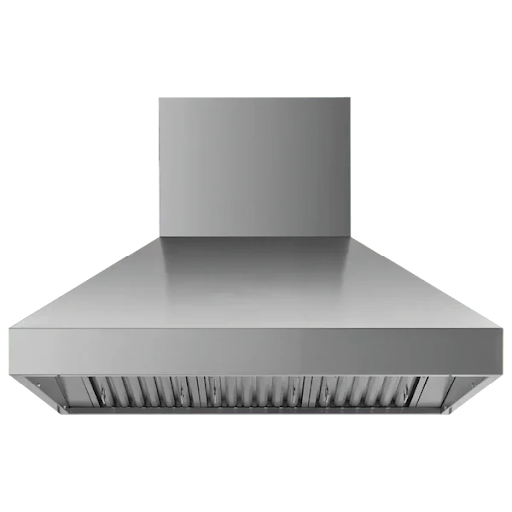
Kitchen ventilation is an important part of a functional cooking space. It can help manage grease, steam, smoke, odours, and airborne particles produced during meal preparation. For kitchens where the cooktop is positioned against a wall without upper cabinetry, wall mounted range hoods can provide both practical ventilation and a strong design feature.
Unlike under-cabinet hoods, wall-mounted models are attached directly to the wall above the cooktop. Many include a chimney-style section that extends upward toward the ceiling or connects to hidden ductwork. This design can make the hood a visible focal point in the kitchen while supporting everyday ventilation needs.
Selecting the right model involves more than choosing a finish. Homeowners should consider hood width, depth, airflow, mounting height, ducting, filter type, noise level, and kitchen layout before installation begins.
Understand How Wall-Mounted Hoods Work
Wall mounted range hoods use a fan system to draw cooking air upward from the cooktop. Depending on the installation type, the hood may move air outside through ductwork or filter and recirculate the air back into the kitchen.
Ducted hoods are connected to an exterior vent. They remove cooking air, grease, smoke, heat, and moisture from the room. This option is often preferred when the kitchen has access to exterior ductwork and the household frequently uses high-heat cooking methods.
Ductless or recirculating hoods use grease filters and charcoal filters to reduce some odours and particles before returning air to the kitchen. These can be useful where exterior venting is not possible, although they do not remove heat and moisture in the same way as ducted systems.
Wall-mounted designs are typically installed above a range or cooktop located against a solid wall. They may be ducted, convertible, or duct-free depending on the model.bosch-home+2
Choose the Correct Hood Width
The width of the hood should match or exceed the width of the cooktop. A hood that is too narrow may not capture steam, grease, and odours effectively, particularly when front burners are used.
For a 30-inch cooktop, a 30-inch or wider hood is generally suitable. For larger ranges, a 36-inch or wider unit may offer better coverage. Homeowners who cook frequently or use high-heat methods may benefit from a hood that extends beyond the cooktop on each side.
When choosing wall mounted range hoods, measure:
- Width of the cooktop or range
- Available wall space
- Distance to nearby cabinets
- Ceiling height
- Hood depth
- Cabinet and backsplash dimensions
- Location of electrical connections
- Existing or planned duct location
The hood depth should also provide coverage over the cooking surface. A shallow hood may not capture steam from the front burners as effectively as a deeper model. At the same time, the hood should not extend so far that it interferes with visibility or makes it uncomfortable to lean over the cooktop.
Some design guidance recommends selecting a hood that is at least as wide as the cooktop and, where space allows, wider for improved capture coverage.ikea+1
Consider Mounting Height
Mounting height affects both safety and performance. A hood installed too high may not capture cooking air effectively, while one installed too low can interfere with cooking and may not meet appliance-clearance requirements.
The correct distance between the cooktop and hood depends on the range type, hood model, and manufacturer instructions. Many wall-mounted hoods are installed within a general range of approximately 30 to 36 inches above the cooktop, but the specific product instructions should always take priority.ikea
Before installation, confirm the recommended mounting height for both the hood and the range. Gas cooktops, electric cooktops, induction surfaces, and professional-style ranges may have different clearance requirements.
Ceiling height should also be considered. A tall ceiling may require an extension chimney, while a lower ceiling may limit the available installation range. Measure carefully before selecting a chimney-style model.
Match Airflow to Cooking Habits
Airflow is measured in cubic feet per minute, commonly known as CFM. It indicates how much air the hood fan can move. Higher airflow can support stronger ventilation, but it may also produce more noise.
The right CFM level depends on the kitchen’s size, the type of cooking appliance, how often the household cooks, and the cooking methods used. Light cooking may not need the same ventilation capacity as frequent frying, searing, grilling, or multi-burner cooking.
When comparing wall mounted range hoods, look for multiple fan-speed settings. These can allow lower, quieter airflow for daily cooking and higher power when more smoke, steam, or odours are produced.
A wall-mounted hood may offer more ventilation power than an under-cabinet model because it can have larger dimensions and a more substantial blower system. However, high CFM alone does not guarantee performance. Correct sizing, proper mounting height, effective ducting, and regular filter maintenance all matter.kitchenaid+1
Plan the Ducting Route
Ducted ventilation works best when the duct path is short, direct, and appropriately sized. Long runs, sharp bends, undersized ducts, and unnecessary turns can reduce airflow and increase fan noise.
Before choosing a hood, determine whether the duct will exit through an exterior wall or roof. The duct route should be planned before kitchen cabinetry, drywall, or decorative finishes are completed.
A professional installer may be needed for electrical work, wall mounting, duct construction, and exterior venting. This is especially important when modifications are required to structural walls, ceilings, or roof areas.
For ductless installations, confirm that the selected model is compatible with recirculating operation. Charcoal filters should be accessible for regular replacement, as they are essential for odour reduction in a non-ducted setup.
Select a Finish and Style
Wall-mounted hoods are available in stainless steel, black stainless, glass, painted metal, wood-clad, and custom-finish options. The right finish should complement nearby appliances, cabinetry, hardware, lighting, and backsplash materials.
A stainless-steel hood can create a professional kitchen appearance and coordinate with other appliances. A concealed or wood-clad chimney can blend into traditional cabinetry. Glass and minimalist metal designs may suit contemporary spaces.
The phrase range hoods wall mounted often refers to products designed to act as both ventilation equipment and a visual feature in the kitchen. The most suitable style should support the room’s design without compromising practical requirements such as filter access, hood coverage, and correct mounting height.
Maintain Filters and Controls
Regular maintenance helps the hood operate effectively. Grease filters should be cleaned according to the manufacturer’s instructions. Metal filters may be washable, while charcoal filters used in recirculating systems generally require replacement.
A basic maintenance routine includes:
- Cleaning grease filters regularly
- Replacing charcoal filters when required
- Wiping grease from exterior surfaces
- Checking lights and fan controls
- Keeping air intake areas unobstructed
- Inspecting duct connections where accessible
Clean filters help maintain airflow and reduce grease accumulation around the cooking area.
Conclusion
Wall-mounted hoods can combine effective kitchen ventilation with a distinctive architectural feature. The right choice depends on cooktop width, hood depth, airflow needs, installation height, ducting access, and the household’s cooking habits. When comparing wall mount range hoods, focus on proper sizing, compatible installation requirements, filter maintenance, and a finish that works with the overall kitchen design. A carefully selected model can support cleaner air while creating a more balanced and functional cooking space. Planning the installation before finalising cabinetry and finishes can help prevent costly adjustments later.