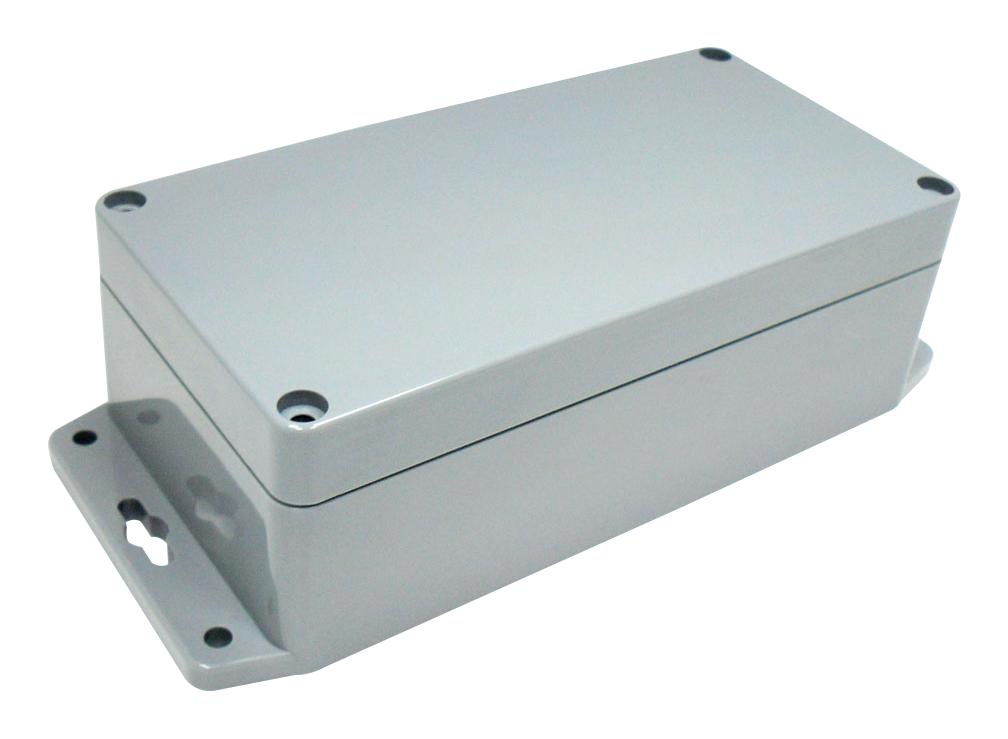
Waterproof plastic enclosures are essential for protecting electrical and electronic components that operate in environments exposed to moisture, rain, or high humidity. These enclosures are designed to prevent water ingress while maintaining safe and reliable operation of internal systems. As electronics continue to expand into outdoor and industrial applications, waterproof protection has become increasingly important.
In many modern designs, plastic enclosures are engineered with sealing systems and durable materials to ensure protection against environmental damage. This makes them suitable for applications where exposure to water or harsh weather conditions is unavoidable.
What Makes an Enclosure Waterproof?
A waterproof enclosure is not defined by material alone but by its overall design and sealing system. While plastic provides the structural base, additional engineering features ensure resistance to water penetration.
Key elements that contribute to waterproof performance include:
- Rubber or silicone gaskets for sealing joints
- Tight-fitting lids with locking mechanisms
- Cable glands to seal entry points
- Precision-molded housing for minimal gaps
Together, these features help prevent water from reaching sensitive internal components.
Understanding IP Ratings for Waterproof Protection
Waterproof performance is commonly measured using IP (Ingress Protection) ratings. These standards define how well an enclosure resists solids and liquids.
For waterproof applications, common ratings include:
- IP65: Protection against water jets and dust
- IP66: Protection against strong water jets
- IP67: Protection against temporary immersion in water
- IP68: Protection against continuous immersion under specified conditions
Higher IP ratings indicate stronger protection, making them suitable for more demanding environments.
Materials Used in Waterproof Plastic Enclosures
The effectiveness of a waterproof enclosure also depends on the material used. Plastic materials such as ABS and polycarbonate are commonly used due to their strength and moldability.
ABS Plastic
- Good impact resistance
- Cost-effective for mass production
- Easy to customize and manufacture
- Suitable for indoor and light outdoor use
Polycarbonate
- Higher impact and heat resistance
- Better suited for harsh outdoor environments
- More durable under extreme conditions
While the material provides structural strength, waterproof performance is achieved through proper design and sealing.
Applications of Waterproof Plastic Enclosures
Waterproof enclosures are widely used across industries where exposure to moisture is a concern. Their ability to protect sensitive electronics makes them essential in outdoor and industrial environments.
Common applications include:
- Outdoor lighting and LED systems
- Weather monitoring devices
- Marine and coastal equipment
- Smart irrigation systems
- Industrial control systems exposed to humidity
These applications rely on consistent protection to ensure uninterrupted performance.
Benefits of Waterproof Plastic Enclosures
Waterproof plastic enclosures offer several advantages that make them highly valuable in modern electronics and industrial systems.
Key benefits include:
- Protection against water damage and corrosion
- Improved reliability of electronic systems
- Extended lifespan of internal components
- Reduced maintenance and repair costs
- Safe operation in outdoor environments
These benefits make waterproof designs essential for critical systems operating in unpredictable conditions.
Design Considerations for Waterproof Performance
Achieving effective waterproof protection requires careful attention to design and installation. Even small gaps or improper sealing can compromise performance.
Important design factors include:
- Proper gasket installation and compression
- Secure cable entry sealing
- Avoiding unnecessary openings in the enclosure
- Ensuring correct assembly torque on screws
- Selecting appropriate enclosure size for internal components
Proper design and installation are essential for maintaining waterproof integrity.
Conclusion
Waterproof plastic enclosures play a vital role in protecting electronic systems from moisture and environmental exposure. Their combination of durable materials, effective sealing systems, and standardized IP ratings ensures reliable performance in demanding conditions. By selecting the right enclosure design and material, users can significantly improve the safety, durability, and efficiency of their electronic applications in outdoor and industrial environments.